The Ultimate Guide to Eating More While Losing Weight
Low Calorie Foods. I used to think losing weight meant being hungry. All the time. I’d eat my sad little 400-calorie dinner and spend the rest of the evening staring at the clock, counting down until I could “legally” eat again. It was miserable, unsustainable, and honestly – it didn’t even work that well.
Then I discovered the concept of energy density, and everything changed.
Here’s the simple truth that nobody told me: a calorie isn’t just a calorie when it comes to how full you feel. 500 calories of broccoli takes up your entire stomach. 500 calories of chocolate fits in the palm of your hand. Your body doesn’t just count calories – it pays attention to volume, weight, and how much space that food takes up.
This guide is everything I wish I’d known years ago. I’ve spent countless hours researching, testing, and eating my way through the science of satiety. The 15 foods on this list aren’t just low in calories – they’re strategically chosen to trigger your body’s fullness signals, stabilize your blood sugar, and keep you satisfied for hours.
1. Lentils
Calories: 230 calories per cup cooked
Why They Keep You Full: Lentils are a fiber-protein powerhouse. One cup delivers 18 grams of protein and 16 grams of fiber – an unbeatable combination for satiety. They’re cheap, cook quickly (for legumes), and absorb whatever flavors you cook them with.
How to Eat More: Add them to soups and stews for bulk. Make lentil salads with fresh vegetables. Use them as a base for veggie burgers. Cook with curry spices for a warming meal.
Pro Tip: Red lentils cook in about 15 minutes and practically dissolve, making them perfect for thickening soups and sauces without changing flavor.
2. Apples
Calories: 95 calories per medium apple
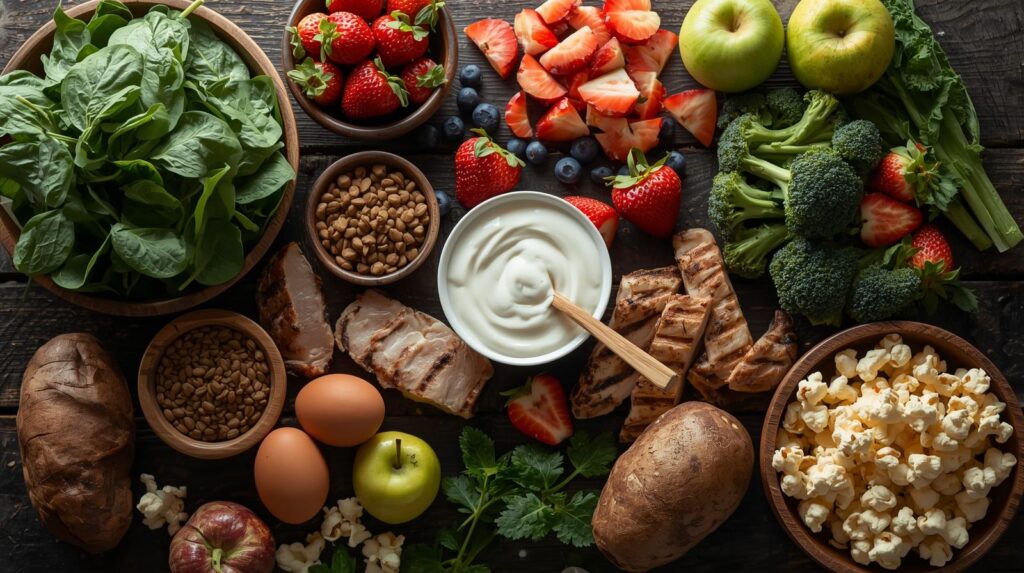
Why They Keep You Full: Apples are high in both water and pectin, a soluble fiber that forms a gel in your gut. The act of chewing also triggers satiety signals. Plus, they’re portable, cheap, and available year-round.
How to Eat More: Eat them whole with the skin on (that’s where much of the fiber lives). Slice and dip in peanut butter for protein. Add to salads for crunch. Bake with cinnamon for a warm dessert.
Pro Tip: Granny Smith apples have slightly less sugar and more fiber than sweeter varieties – great for weight loss.
3. Chicken Breast
Calories: 165 calories per 3-ounce serving
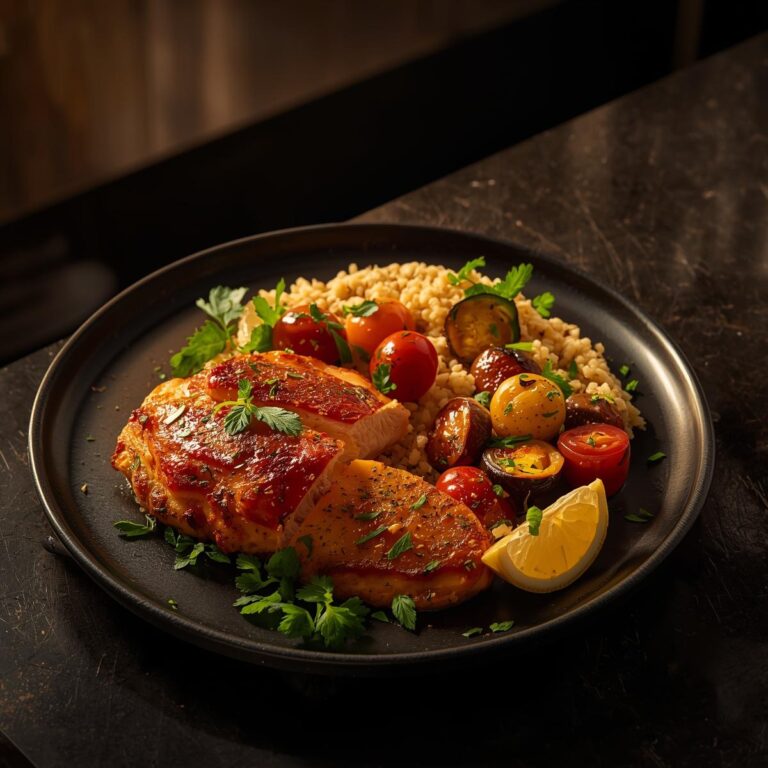
Why It Keeps You Full: Lean chicken breast is pure protein with minimal fat. Protein is the most satiating macronutrient, period. A 3-ounce serving delivers about 25 grams of protein that keeps you full for hours while supporting muscle maintenance.
How to Eat More: Meal prep a batch at the beginning of the week. Add to salads, grain bowls, wraps, and pasta dishes. Shred it for tacos and sandwiches. Season generously – plain chicken is sad chicken.
Pro Tip: Pound chicken breasts to even thickness before cooking for juicier, more evenly cooked results. A meat thermometer is your best friend – 165°F is perfect.
4. Broccoli and Cruciferous Vegetables
Calories: 55 calories per cup cooked
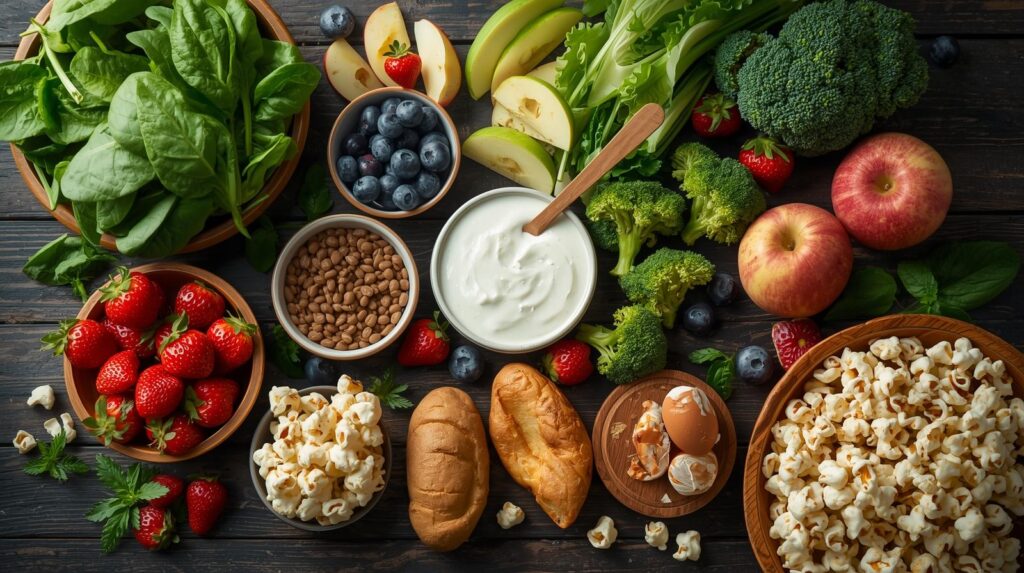
Why They Keep You Full: Broccoli, cauliflower, Brussels sprouts, and cabbage are low-calorie volume superstars. They’re packed with water and fiber, and they take serious chewing, which slows down eating and gives your brain time to register fullness.
How to Eat More: Roast them with garlic and a tiny bit of oil – the caramelization makes them addictive. Rice cauliflower for a low-carb grain alternative. Add broccoli to pasta, stir-fries, and casseroles.
Pro Tip: Roasting at high heat (425°F) brings out natural sweetness. Don’t boil them to mush – that’s how vegetables get a bad reputation.
5. Cottage Cheese
Calories: 90 calories per 1/2 cup (low-fat)
Why It Keeps You Full: Cottage cheese is protein-dense, with about 14 grams per half-cup. The casein protein digests slowly, providing steady amino acid release over hours. It’s also versatile – equally at home in sweet and savory applications.
How to Eat More: Top with fruit and cinnamon for breakfast. Spread on rice cakes for a snack. Use as a base for creamy salad dressings. Mix with herbs and spread on crackers.
Pro Tip: Buy full-fat if you prefer – the difference is about 40 calories per serving, and the fat adds satiety. Just measure portions.
6. Potatoes (Yes, Really!)
Calories: 160 calories per medium potato
Why They Keep You Full: Potatoes consistently rank as the most satiating food in studies – even beating brown rice and oatmeal. They’re rich in resistant starch, especially when cooked and cooled, which feeds gut bacteria and promotes fullness. Don’t fear the potato.
How to Eat More: Bake and stuff with vegetables and lean protein. Make potato salad with yogurt instead of mayo. Roast with herbs. Mash with cauliflower to increase volume.
Pro Tip: Cooled potatoes have more resistant starch. Potato salad made with yogurt is a weight loss powerhouse.
7. Fish (Especially White Fish)
Calories: 100 calories per 3-ounce serving (cod, tilapia)
Why It Keeps You Full: White fish is nearly pure protein with minimal fat. A generous 6-ounce serving is under 200 calories but delivers 40 grams of protein – enough to keep you full for most of the day. Fatty fish like salmon adds healthy omega-3s at slightly higher calories.
How to Eat More: Bake with lemon and herbs for a 15-minute dinner. Add flaked fish to salads. Make fish tacos with cabbage slaw. Canned tuna or salmon makes for easy lunches.
Pro Tip: Frozen fish is often fresher than “fresh” fish at the counter. Keep a stash in your freezer for easy meals.
8. Berries (Strawberries, Blueberries, Raspberries)
Calories: 50-85 calories per cup
Why They Keep You Full: Berries are fiber superstars – raspberries have 8 grams of fiber per cup! They’re also packed with water and antioxidants, and their natural sweetness helps fight sugar cravings without spiking blood sugar.
How to Eat More: Add to yogurt, oatmeal, and smoothies. Eat them fresh by the handful. Freeze for smoothies and nice cream. Macerate with a little sweetener for a dessert topping.
Pro Tip: Frozen berries are just as nutritious as fresh and often cheaper. Keep a bag in the freezer always.
9. Popcorn (Air-Popped)
Calories: 90 calories per 3 cups
Why It Keeps You Full: Popcorn is a whole grain – yes, really! Three cups of air-popped popcorn has as many calories as 12 potato chips but takes up your entire bowl. The volume and fiber combination make it one of the best snack options on earth.
How to Eat More: Invest in an air popper or use a brown paper bag in the microwave. Season with nutritional yeast, cinnamon, or spices – not butter. Portion into bowls instead of eating from the bag.
Pro Tip: Avoid microwave bags with mysterious “butter flavoring.” Make your own and control the ingredients.
10. Soup (Broth-Based)
Calories: 100-150 calories per generous bowl
Why It Keeps You Full: Soup is the ultimate volume food. The combination of liquid and solids fills your stomach immediately, and the warmth adds a comforting element that promotes satisfaction. Studies show that eating soup before a meal reduces total calorie intake.
How to Eat More: Make big batches on weekends for easy lunches. Load with vegetables and lean protein. Use broth as a base, not cream. Puree vegetable soups for creamy texture without cream.
Pro Tip: Start lunch or dinner with a small bowl of soup. You’ll eat less of the higher-calorie main course automatically.
The Satiety Food Comparison Table
| Food | Calories | Protein | Fiber | Water Content | Satiety Score (1-10) |
|---|---|---|---|---|---|
| Spinach (1 cup) | 7 | 1g | 1g | 95% | 8 |
| Watermelon (2 cups) | 90 | 2g | 2g | 92% | 7 |
| Greek Yogurt (3/4 cup) | 100 | 15g | 0g | 85% | 9 |
| Oats (1/2 cup dry) | 150 | 5g | 4g | 10% | 8 |
| Eggs (2 large) | 140 | 12g | 0g | 75% | 9 |
| Lentils (1 cup cooked) | 230 | 18g | 16g | 70% | 10 |
| Apple (1 medium) | 95 | 0.5g | 4g | 85% | 7 |
| Chicken Breast (3 oz) | 165 | 25g | 0g | 65% | 9 |
| Broccoli (1 cup cooked) | 55 | 4g | 5g | 90% | 8 |
| Cottage Cheese (1/2 cup) | 90 | 14g | 0g | 80% | 8 |
| Potato (medium baked) | 160 | 4g | 4g | 75% | 8 |
| White Fish (6 oz) | 200 | 40g | 0g | 80% | 10 |
| Raspberries (1 cup) | 65 | 1.5g | 8g | 85% | 8 |
| Popcorn (3 cups air-popped) | 90 | 3g | 4g | 5% | 7 |
| Vegetable Soup (2 cups) | 120 | 6g | 5g | 90% | 9 |
How to Build Meals Using These Foods
The Plate Method for Satiety
| Section | Portion | What to Include | Examples |
|---|---|---|---|
| Half the plate | 50% | Low-calorie vegetables | Leafy greens, broccoli, roasted vegetables, salad |
| Quarter the plate | 25% | Lean protein | Chicken, fish, eggs, Greek yogurt, lentils |
| Quarter the plate | 25% | Complex carbohydrates | Potatoes, oats, quinoa, beans, popcorn |
| Extras | Small amount | Healthy fats | Avocado, olive oil, nuts, seeds |
Sample Satiety Meals
Breakfast:
- Veggie omelet with 2 eggs, spinach, mushrooms, and 1 cup berries on the side
- Oatmeal made with 1/2 cup oats, 1 cup water, topped with 3/4 cup Greek yogurt and berries
Lunch:
- Massive salad with 3 cups greens, 4 oz grilled chicken, 1/2 cup lentils, cucumber, tomatoes, and light vinaigrette
- 2 cups vegetable soup followed by a turkey and avocado wrap on whole wheat
Dinner:
- 6 oz baked cod with 1 cup roasted broccoli and 1 medium baked potato with yogurt
- Lentil and vegetable curry (1 cup lentils, 2 cups vegetables) over 1/2 cup quinoa
Snacks:
- Apple with 1 hard-boiled egg
- 3 cups air-popped popcorn
- 1 cup berries with 1/2 cup cottage cheese
5 Pro Tips for Maximizing Fullness
Tip 1: Start Every Meal with Vegetables or Soup
Eating low-calorie, high-volume foods first fills your stomach before you get to the calorie-dense parts of your meal. Have a salad before lunch, vegetable soup before dinner, or raw veggies while cooking. This simple habit automatically reduces how much you eat of everything else.
Tip 2: Don’t Drink Your Calories
Liquid calories slip right through your stomach without triggering fullness signals. Soda, juice, fancy coffee drinks, and alcohol add hundreds of calories without making you feel full. Stick to water, sparkling water, unsweetened tea, and black coffee.
Tip 3: Prioritize Protein at Every Meal
Protein is the most satiating nutrient. Aim for at least 25-30 grams per meal. That’s roughly 4 oz of chicken, 1 cup of Greek yogurt, 3 eggs, or 1.5 cups of lentils. Spread it throughout the day rather than loading up at dinner.
Tip 4: Eat Mindfully and Slowly
It takes about 20 minutes for your brain to register fullness. If you inhale your food in 10 minutes, you’ll eat far more than you need before your body knows what happened. Put your fork down between bites. Chew thoroughly. Actually taste your food.
Tip 5: Don’t Fear Carbs – Choose the Right Ones
Complex carbohydrates like potatoes, oats, beans, and whole grains are satiety superstars. It’s refined carbs (white bread, sugary cereal, pasta) that spike blood sugar and leave you hungry. Choose wisely and enjoy generous portions.
Can I really eat potatoes and still lose weight?
Absolutely! Potatoes are actually one of the most satiating foods on the planet. The problem isn’t potatoes – it’s deep-frying them and drowning them in butter and sour cream. A baked potato with a little Greek yogurt and chives is a weight loss powerhouse. One study actually found that people who ate potatoes felt fuller and ate fewer total calories than those who ate rice or pasta.
What about fruit? Isn’t it high in sugar?
Whole fruit is absolutely fine for weight loss. The fiber in fruit dramatically slows down sugar absorption, preventing the blood sugar spikes that cause cravings. It’s fruit juice you need to avoid – that’s concentrated sugar without the fiber. Eat your fruit, don’t drink it, and enjoy 2-3 servings daily.