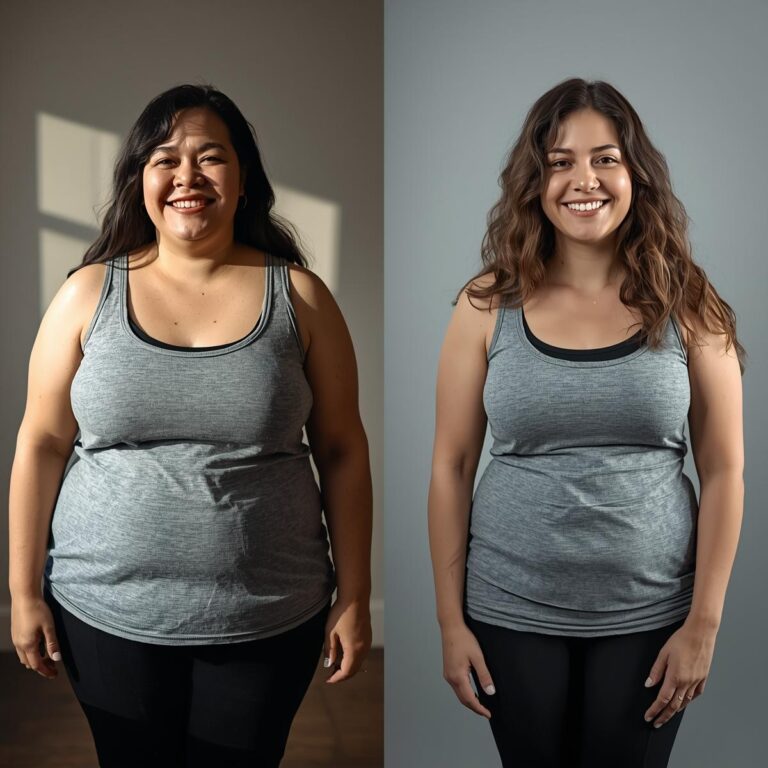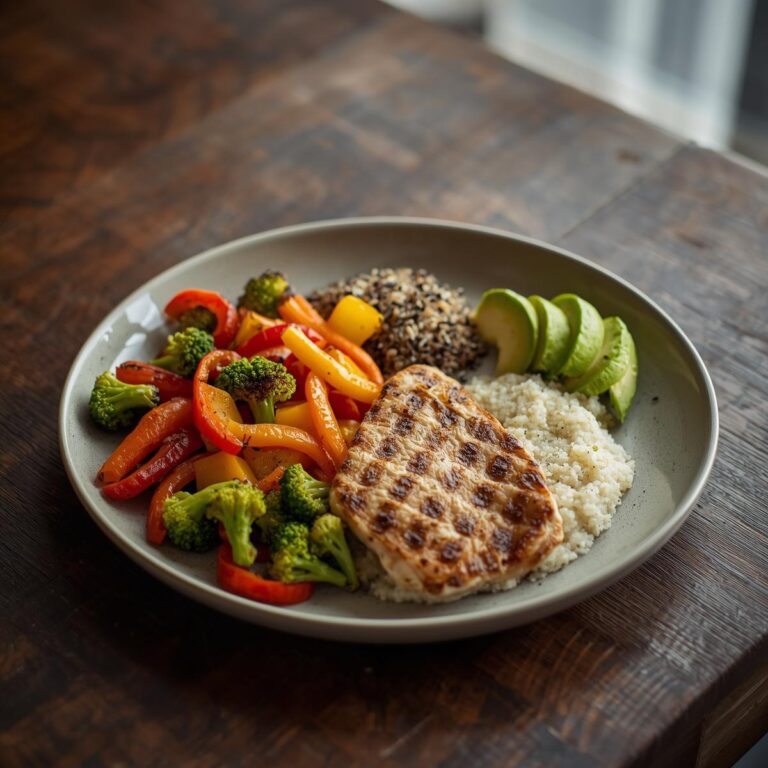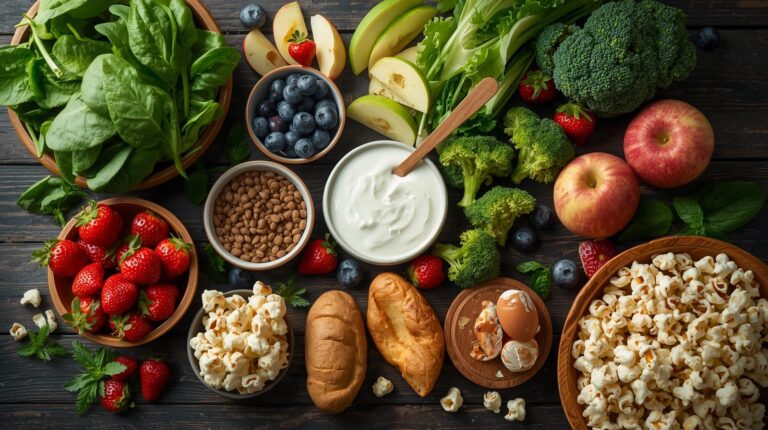
Count Calories for Weight Loss: Learn the Simple Science Behind Sustainable Weight Management
Let’s start with the basics. A calorie is simply a unit of energy. Your body needs energy to breathe, pump blood, digest food, move, think – literally everything. The food you eat provides that energy.
Calorie counting means keeping track of the energy you take in through food and drinks.
It’s like managing a budget. You have a certain amount of energy you can “spend” each day. If you spend more than you take in, your body uses stored energy (body fat) to make up the difference. That’s weight loss.
If you take in more energy than you spend, your body stores the extra for later – that’s weight gain. It really is that simple at its core.
Now, I know what you might be thinking. “But what about hormones? Metabolism? Different body types?” Yes, those things matter. They affect how your body uses energy and how you feel. But the fundamental principle of energy balance – calories in versus calories out – is the foundation that everything else builds on.
Think of it this way: you can’t balance your checkbook until you know how much money is coming in and going out. Same with your body. Counting calories gives you that baseline information.
Why Calorie Tracking Helps with Weight Loss
It Removes the Guesswork
Have you ever eaten what you thought was a “healthy” meal, only to wonder why you’re not losing weight? I certainly have. That “healthy” granola bar? 250 calories. That “light” salad dressing? 150 calories per serving. That “innocent” afternoon latte? Easily 300 calories with syrup and milk.
Calorie tracking reveals the truth. It shows you where your calories are actually coming from, and that awareness alone often leads to better choices.
It Creates Accountability
When you write down what you eat, you think twice before eating. Would I really log that third cookie? Probably not – which means I probably won’t eat it. Tracking creates a moment of pause that interrupts mindless eating.
It Helps You Understand Your Body
After tracking for a while, you’ll notice patterns. Maybe you’re always hungrier on certain days. Maybe you feel better with a bigger breakfast and smaller dinner. Maybe certain foods leave you satisfied while others leave you craving more. This information is gold for creating a sustainable eating pattern.
It Works for Any Type of Diet
Whether you’re keto, vegan, paleo, or just trying to eat more vegetables, calorie counting works alongside your food preferences. You’re not restricted to specific foods – you’re simply mindful of quantities.
It’s Based on Science, Not Hype
Fad diets come and go. Calorie balance has been understood by scientists for over a century. It’s not a trend – it’s biology. And understanding it gives you control that no temporary diet can match.
Step-by-Step Guide to Counting Calories
Step 1: Figure Out Your Calorie Target
Before you can count calories, you need to know your target. How many calories should you eat to lose weight?
A quick and simple method:
- Maintenance calories = Your body weight in pounds × 12-15 (depending on activity level)
- Sedentary (desk job, little exercise): multiply by 12
- Moderately active (light exercise 1-3 days/week): multiply by 13-14
- Very active (physical job or daily exercise): multiply by 15
- Weight loss calories = Maintenance calories minus 300-500
Example: A 180-pound person with a desk job:
- 180 × 12 = 2,160 maintenance calories
- 2,160 − 500 = 1,660 calories for weight loss
This is just a starting point. You’ll adjust based on your results. If you’re losing too fast (more than 2 pounds per week), eat a bit more. If you’re not losing after a few weeks, eat a bit less.
Note: Never eat below 1,200 calories without medical supervision.
Step 2: Choose Your Tracking Method
You have options. Pick what feels right for you.
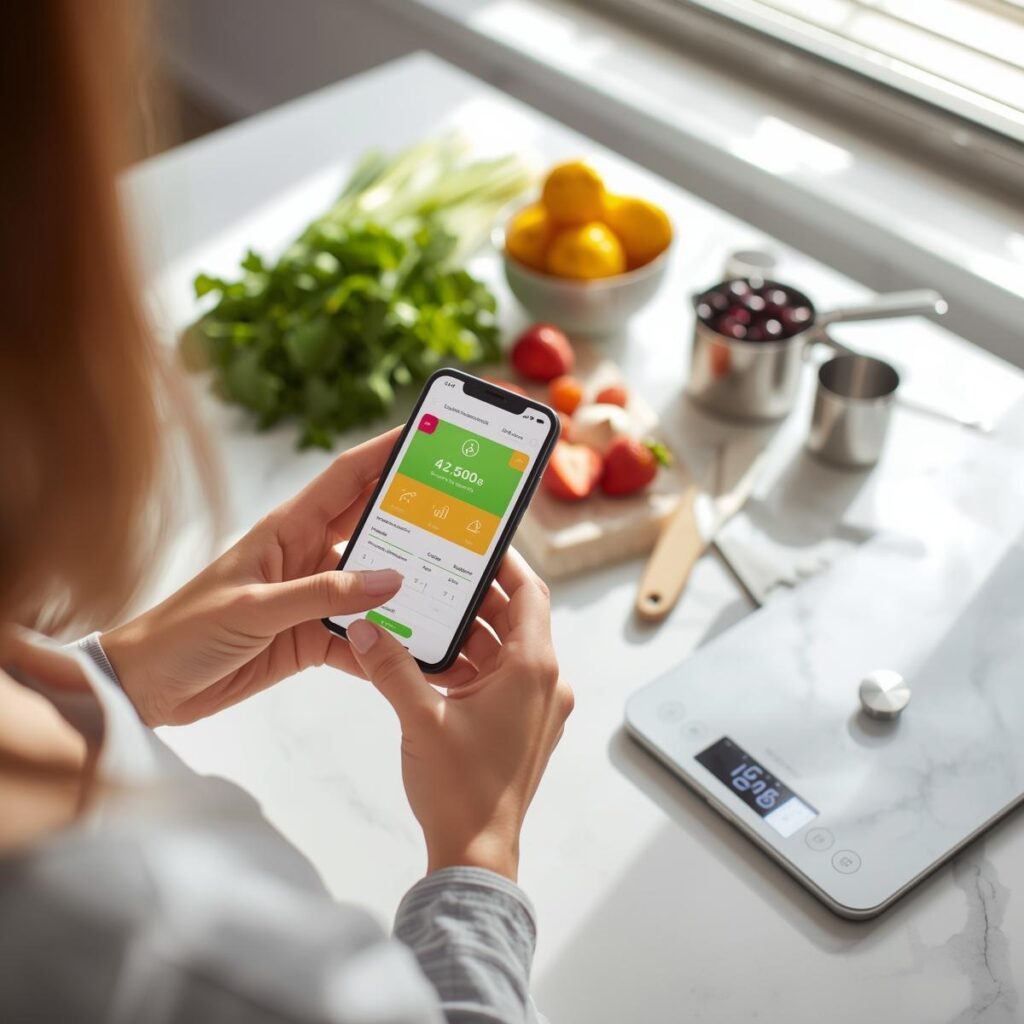
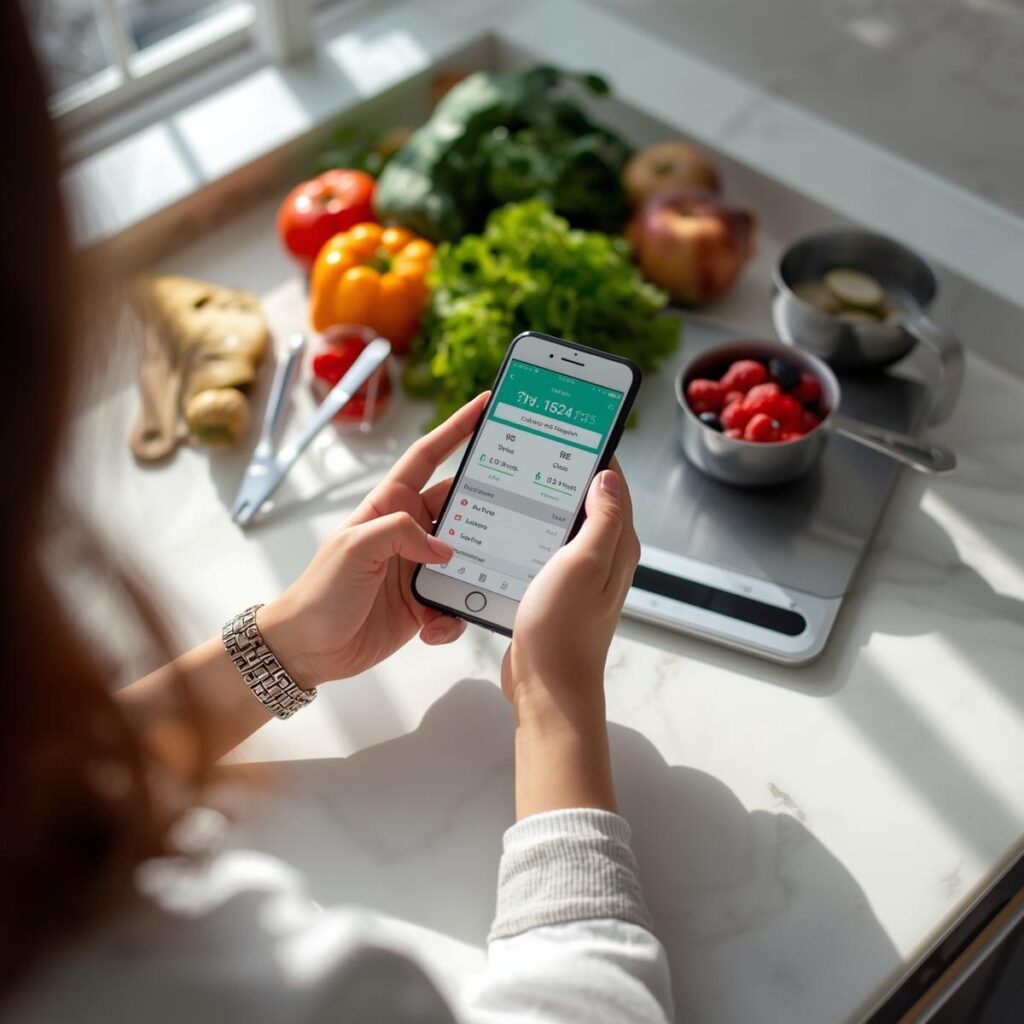
Option A: Apps (Most Popular)
- MyFitnessPal, Lose It!, Cronometer
- Scan barcodes, massive food databases, track automatically
- Free versions work great for beginners
Option B: Paper Journal
- Old school but effective
- Forces you to be more mindful
- No phone distractions
Option C: Mental Tracking
- Only works after you’ve practiced for months
- Not recommended for beginners
I recommend starting with an app. It’s faster, more accurate, and does the math for you. We’ll talk more about specific apps later.
Step 3: Learn to Measure Portions
This is where most beginners get stuck. Here’s the simple truth: you don’t need to weigh everything forever. But you do need to learn what portions look like.
For the first 2-4 weeks, use a food scale. Yes, really. It’s the only way to learn what 4 ounces of chicken or 2 tablespoons of peanut butter actually look like. You’ll be surprised – I certainly was.
After that, you can switch to:
- Measuring cups and spoons for things like oats, rice, yogurt
- Visual estimates for things like meat, vegetables, fruit
Quick visual guides:
- 3 ounces of meat = deck of cards
- 1 cup of pasta = tennis ball
- 1 tablespoon of peanut butter = your thumb
- 1 ounce of cheese = pair of dice
- 1 medium fruit = baseball
Step 4: Track Everything (Yes, Everything)
For accurate tracking, you need to log:
- All meals and snacks – even that single cracker you grabbed
- Beverages – coffee with cream, juice, alcohol, smoothies
- Cooking oils, butter, dressings – these add up fast
- Condiments – ketchup, mayo, sauces
Log before you eat, not after. This prevents “forgetting” and helps you make decisions in the moment.
Don’t worry about being perfect. If you forget something, estimate and move on. The goal is consistency over perfection.
How Many Calories Should You Eat?
This is the most common question I get. The answer depends on several factors.
Factors That Affect Your Calorie Needs
| Factor | Impact |
|---|---|
| Age | Metabolism naturally slows with age |
| Gender | Men typically need more calories than women |
| Weight | Larger bodies need more energy |
| Height | Taller people need more calories |
| Activity Level | More movement = more calories burned |
| Muscle Mass | Muscle burns more calories than fat |
Calorie Ranges by Goal
| Goal | Daily Calorie Range (Women) | Daily Calorie Range (Men) |
|---|---|---|
| Weight Loss | 1,200 – 1,500 | 1,500 – 1,800 |
| Maintenance | 1,800 – 2,200 | 2,200 – 2,800 |
| Weight Gain | 2,000 – 2,400 | 2,500 – 3,000 |
These are estimates. Your actual needs may vary.
The Best Approach: Start and Adjust
- Pick a starting number (use the formula from Step 1)
- Track consistently for 2 weeks
- Check your progress
- Adjust up or down by 100-200 calories as needed
- Repeat
This method accounts for your unique body. What works for someone else might not work for you, and that’s okay.
Common Mistakes Beginners Make
Mistake 1: Not Tracking “Small” Bites
Those bites of your kid’s mac and cheese. The sample at the grocery store. The “just one” chip. They add up fast. Log everything.
Mistake 2: Guessing Portions
Without measuring, most people underestimate by 30-50%. A food scale is cheap insurance against inaccurate tracking.
Mistake 3: Forgetting Drinks
A daily latte can add 10+ pounds per year. Juice, soda, alcohol, and fancy coffee drinks are often hidden calorie bombs.
Mistake 4: Being Too Restrictive
Eating too little backfires. It slows your metabolism, increases cravings, and often leads to binge eating. Slow and steady wins.
Mistake 5: Not Adjusting Over Time
As you lose weight, your calorie needs change. What worked at 200 pounds won’t work at 160. Recalculate every 10-15 pounds lost.
Mistake 6: Obsessing Over Perfection
If you go over your calories one day, it’s fine. Get back on track tomorrow. Consistency over months matters more than perfection on any single day.
Best Apps and Tools for Tracking Calories
Top Calorie Counting Apps
| App | Best For | Free Features |
|---|---|---|
| MyFitnessPal | Beginners, largest food database | Barcode scanner, basic tracking, community |
| Lose It! | Simple interface, goal setting | Easy logging, barcode scanner, insights |
| Cronometer | Nutrient tracking, accuracy | Detailed nutrition data, no user-submitted errors |
| Carb Manager | Low-carb dieters | Net carbs, keto-friendly features |
| FatSecret | Budget-friendly | Completely free, barcode scanner, recipes |
Helpful Tools
- Digital food scale – $10-15 on Amazon, essential for accuracy
- Measuring cups and spoons – good for liquids and dry ingredients
- Portion control plates – visual guides built into the plate design
What to Look for in an App
- Barcode scanner for easy logging
- Large food database
- Ability to save meals and recipes
- Progress charts and trends
- Syncs with fitness trackers (optional)
Sample Day of Calorie Counting
Here’s what a day of tracking might look like for someone eating 1,600 calories.
Breakfast (385 calories)
- 2 scrambled eggs with spinach (180 cal)
- 1 slice whole grain toast with 1 tsp butter (120 cal)
- 1 medium apple (85 cal)
Morning Snack (160 calories)
- ¾ cup plain Greek yogurt (100 cal)
- ½ cup mixed berries (30 cal)
- 1 tablespoon chia seeds (60 cal)
Lunch (450 calories)
- 4 oz grilled chicken breast (185 cal)
- 2 cups mixed greens with veggies (30 cal)
- 2 tablespoons balsamic vinaigrette (90 cal)
- ½ cup cooked quinoa (110 cal)
- 1 ounce feta cheese crumbled (75 cal)
Afternoon Snack (120 calories)
- 1 hard-boiled egg (70 cal)
- 1 small orange (50 cal)
Dinner (485 calories)
- 5 oz baked salmon (290 cal)
- 1 cup roasted broccoli (55 cal)
- 1 medium sweet potato with cinnamon (140 cal)
Total: 1,600 calories | 98g protein | 165g carbs | 62g fat
5 Practical Tips for Staying Consistent
Tip 1: Track as You Go
Don’t wait until the end of the day. Log meals when you eat them. You’ll forget details and underestimate portions if you wait.
Tip 2: Pre-Log Your Day
In the morning, log what you plan to eat. This helps you make adjustments before you eat, not after. See you’re going out for dinner? Log it in advance and adjust lunch accordingly.
Tip 3: Create Meals and Recipes
Most apps let you save complete meals. Create entries for your frequent meals – breakfast bowl, favorite salad, regular dinner. This saves time and improves accuracy.
Tip 4: Be Consistent with How You Track
If you always weigh chicken raw, do that consistently. If you always measure oatmeal dry, stick with it. Consistency matters more than absolute perfection.
Tip 5: Give Yourself Grace
Some days you’ll go over. Some days you’ll forget to log. Some days you’ll eat the cake at the party and not track it. That’s fine. One day doesn’t define your journey. Just get back to it tomorrow.
Do I need to count calories forever?
No! Most people track for 3-6 months to learn portion sizes and understand their eating patterns. After that, many switch to “mental tracking” – they know what appropriate portions look like and can maintain without logging. Think of it like training wheels. Use them until you’re confident, then gradually rely on them less.
Are all calories the same?
For weight loss, yes – a calorie deficit from any food will lead to weight loss. For health and satiety, no. 200 calories from chicken and vegetables will keep you full much longer than 200 calories from soda. Focus on nutrient-dense foods first, then fit treats into your remaining calories.
Can I exercise and eat more?
Yes, but be careful. Exercise calories are often overestimated by apps and machines. If you’re hungry, eat back 25-50% of estimated exercise calories and see how you feel. Focus on how exercise makes you feel, not just the calorie burn.
How fast should I expect to lose weight?
Healthy, sustainable weight loss is 1-2 pounds per week. Faster than that often leads to muscle loss, nutrient deficiencies, and rebound weight gain. If you’re losing faster, eat a bit more. If you’re losing slower, check your tracking accuracy and consider a slight calorie reduction.
Motivational
When I first started counting calories, I felt overwhelmed. I made mistakes, forgot to log things, and definitely ate back more exercise calories than I should have. But I kept going.
Slowly, something shifted. I stopped needing to weigh every piece of chicken. I could look at a plate and roughly know the calories. I understood which foods kept me full and which left me hungry. I wasn’t guessing anymore – I was in control.
Counting calories gave me freedom, not restriction. Freedom to enjoy a slice of birthday cake without guilt because I knew how to balance it. Freedom to eat out and make informed choices. Freedom from the confusion of conflicting diet advice.
You can have that too. It just takes a little practice and a lot of self-compassion. Start today. Download an app, buy a food scale, and begin. You’ll make mistakes, and that’s okay. Every person who’s succeeded at this started exactly where you are.
Ready to put this knowledge into action? Browse our collection of low-calorie recipes designed to fit your goals. Every recipe includes full nutrition information, so the counting is done for you.
What’s the first change you’ll make after reading this guide? Drop a comment below – I’d love to hear your plans.