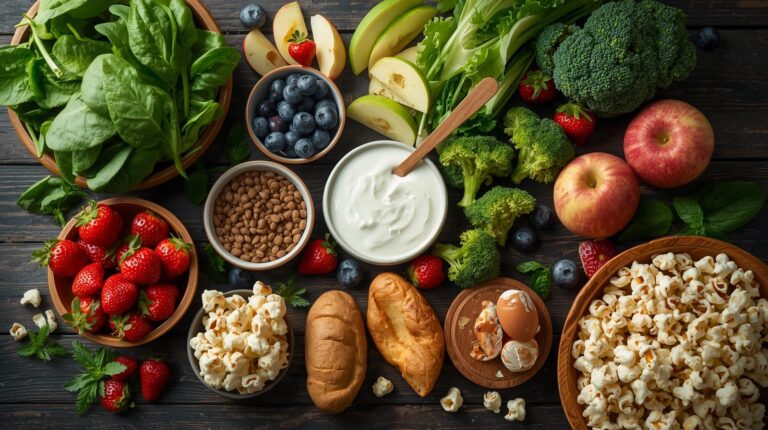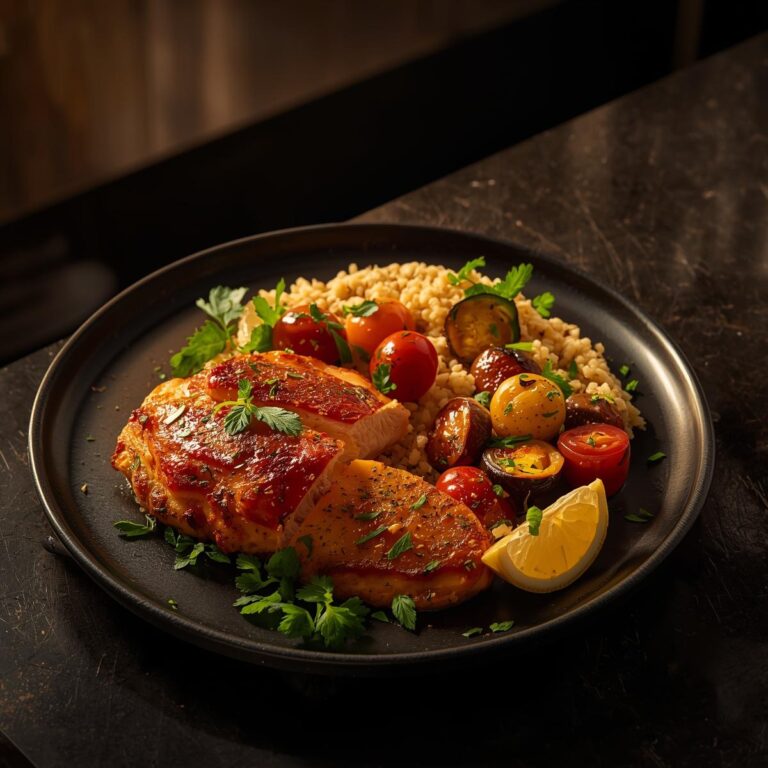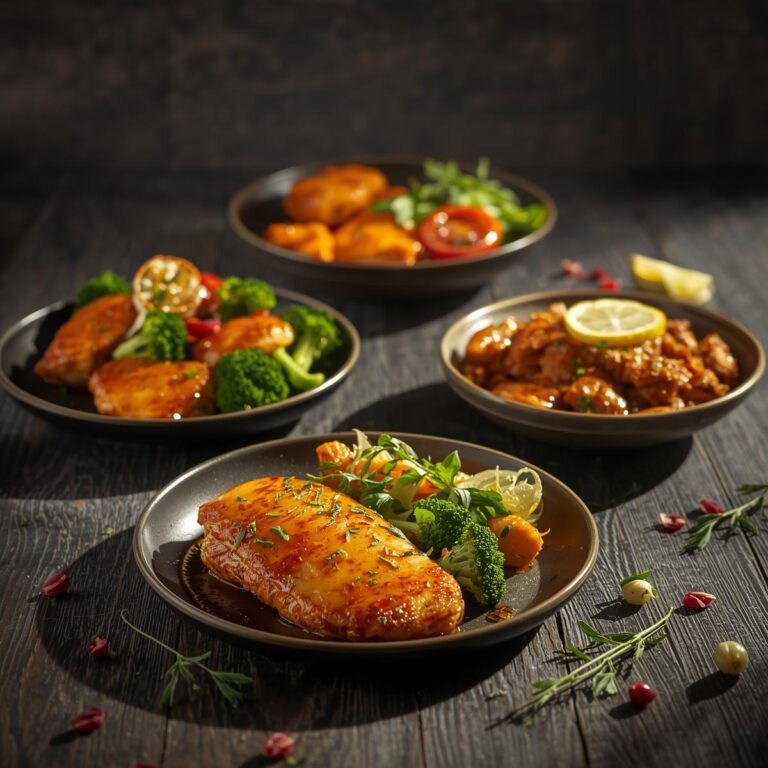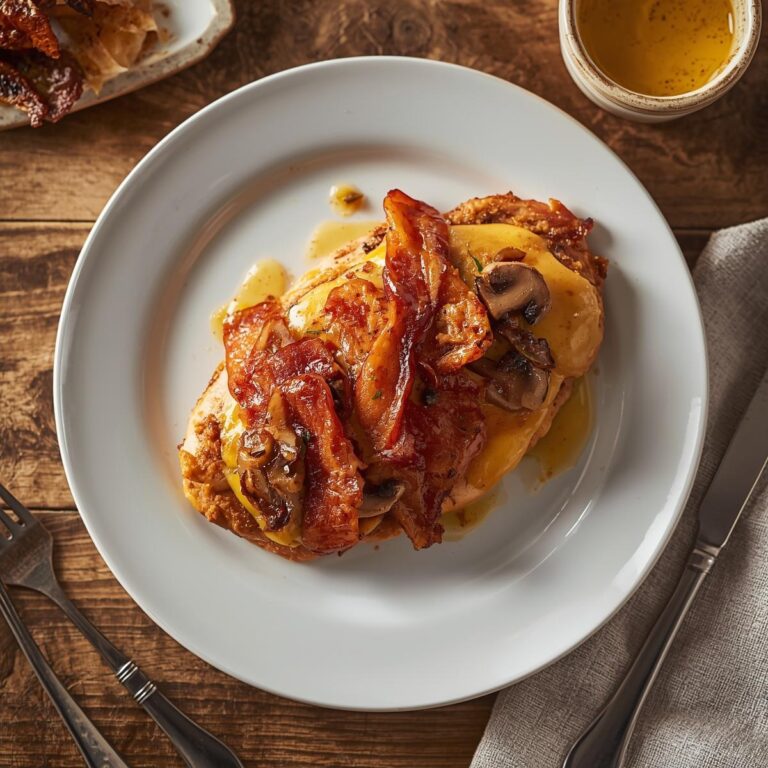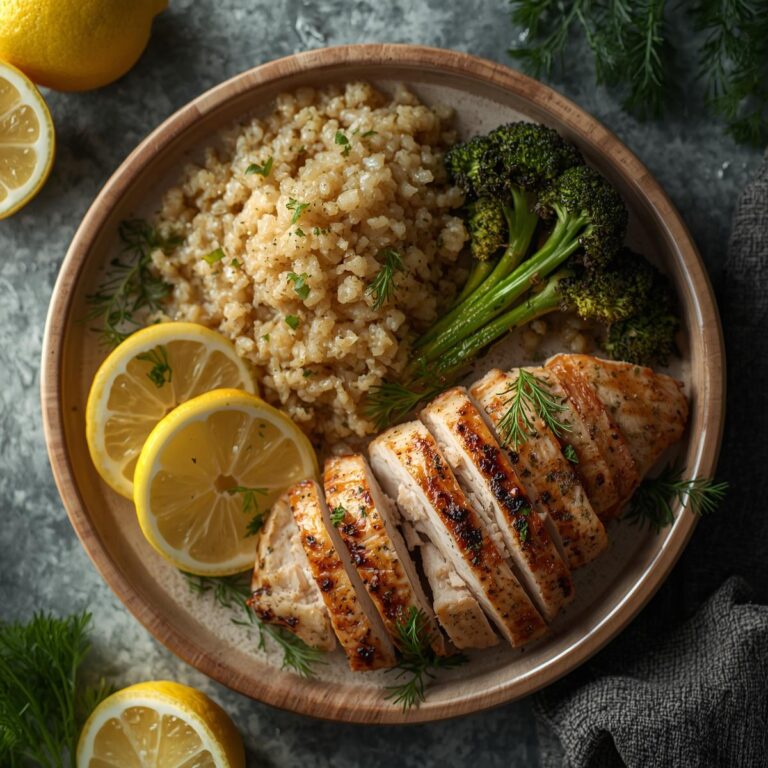
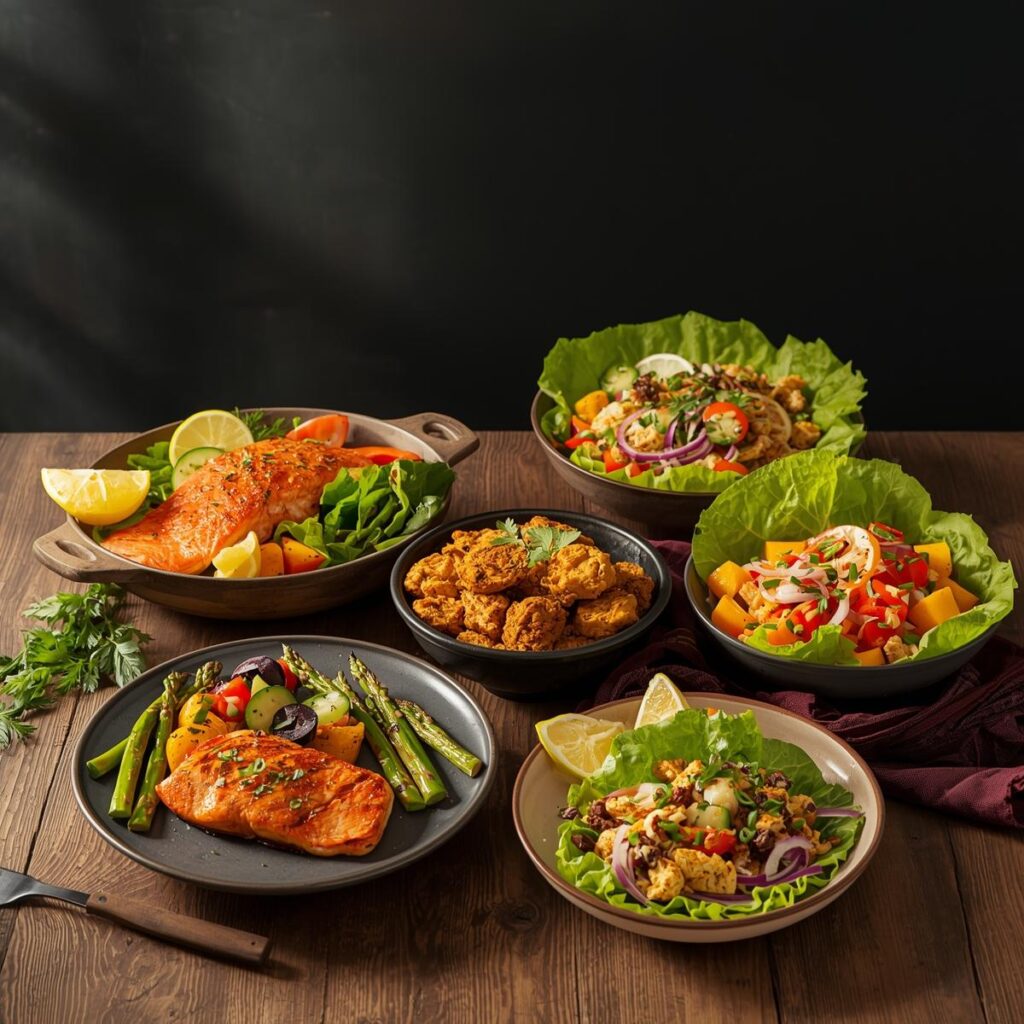
Weight management is a process that can be significantly influenced by dietary choices, particularly evening meals. This document presents a selection of low-calorie dinner options designed to support weight loss objectives while ensuring a satisfying dining experience. The rationale behind these selections emphasizes nutrient density, flavor profiles, and portion control.
The following 20 recipes have been curated to meet specific nutritional parameters: each serving contains under 400 calories, provides a minimum of 20-30 grams of protein, and includes ample fiber-rich vegetables to promote satiety. The collection caters to diverse dietary preferences, encompassing meat, seafood, and plant-based dishes.
Establishing 400 Calories as a Target for Dinner
If your goal is a moderate calorie deficit—say, around 1,500 to 1,800 calories a day—keeping dinner under 400 calories allows you the freedom to enjoy breakfast and lunch without feeling deprived. Plus, 400 calories is ample room to include plenty of protein, fiber, and healthy fats—the components that really help you feel full. Research suggests that having 25-30 grams of protein per meal promotes satiety and metabolic health.
As registered dietitian Morgan Goodstadt points out, a nutritious dinner should strike a balance of:
– Non-starchy vegetables (like broccoli, tomatoes, and zucchini)
– Lean protein
– Healthy fats
– Complex carbohydrates, such as starchy vegetables or whole grains
So, let’s whip up some wholesome meals that not only taste great but also align with your health goals!

20 Low-Calorie Meal Options for Weight Management
Chicken Recipes
1. Lemon Herb Grilled Chicken*Calories: 320
Fiber: 4g
This dish can be completed with steamed vegetables or a light salad to ensure satisfaction without feeling overly full.
| Calories | 320 |
| Protein | 35g |
| Fiber | 4g |
Simply pair with steamed vegetables or a light salad for a complete meal that satisfies without weighing you down .
Pro Tip: Pounding chicken breasts to an even thickness prior to marinating enhances juiciness and promotes more uniform cooking.
2. White Turkey Chili*Calories: Approximately 350
Fiber: 8g
For a creamier texture with minimal added fat, a sprinkle of mozzarella cheese can be incorporated.
| Calories | Approximately 350 |
| Protein | 30g |
| Fiber | 8g |
If you’re looking to make it a bit creamier without adding too much fat, sprinkle some mozzarella cheese on top!
Ingredients for 1 serving:
- 4 oz turkey
- ½ tbsp olive oil
- ¼ medium onion
- 1 oz green chilies
- ½ canned white beans
- ¼ can low-sodium chicken broth
- ½ tsp garlic powder, ⅛ tsp black pepper, ½ tsp ground cumin
Instructions: Sauté finely chopped onions in olive oil until softened. Combine remaining ingredients and bring to a boil. Reduce heat and simmer for approximately 10 minutes. Garnish with cheese and fresh parsley before serving.
3. Caprese Turkey Burgers
This preparation offers a refined adaptation of the traditional burger, integrating Caprese-inspired elements. Each serving provides approximately 30 grams of protein, derived from the turkey, mozzarella, and whole wheat bread components. These ingredients are selected for their satiating qualities and lower fat content relative to conventional burger preparations.
| Calories | Approximately 375 |
| Protein | 30g |
| Fiber | 5g |
Turkey breast exhibits a reduced fat profile compared to ground beef. The substitution of mozzarella for cheddar cheese introduces a lighter dairy option. Furthermore, whole wheat bread contributes a higher fiber and protein content than its white flour alternative.
Ingredients for one serving:
- 3 oz lean ground turkey
- 2 slices whole wheat bread or a whole wheat bun
- 1 tbsp tomato paste
- 1 tomato slice
- ⅓ oz fresh mozzarella (about 1 thin slice)
- 3 fresh basil leaves
- ⅛ tsp garlic powder, ¼ tsp black pepper, ½ tbsp balsamic vinegar
Instructions: Form a patty from the ground turkey and spices, then cook to the desired doneness. For a swift burger sauce, combine tomato paste and balsamic vinegar, then spread onto the bread. Assemble the burger with the tomato slice, mozzarella, basil leaves, and the cooked turkey patty.
4. Skillet Chicken and Chickpeas
This visually appealing dish is both flavorful and nutritionally dense, delivering 41 grams of protein per serving. A single cup of chickpeas contributes nearly half of the recommended daily iron intake.
| Calories | 388 |
| Protein | 41g |
| Fiber | 9g |
The combination of tender chicken and chickpeas creates a satisfying meal designed to sustain energy levels and satiety for extended periods.
5. Smoky Chicken Quinoa Soup
This robust soup offers a substantial serving of 42 grams of protein. It features a balanced blend of chicken, quinoa, and black beans, presenting a filling meal option.
| Calories | 488 |
| Protein | 42g |
| Fiber | 12g |
While its calorie count is moderately higher, this soup is suitable as a complete meal replacement. Its fiber content is intended to promote prolonged satiety.
Fish & Seafood Recipes
6. Baked Salmon With Dill Yogurt Sauce
This preparation highlights the delicate texture of omega-3-rich salmon, baked to a flaky consistency. The dill yogurt sauce introduces a bright, refreshing counterpoint, elevating the dining experience.
| Calories | 385 |
| Protein | 32g |
| Healthy Fats | 18g |
This dish can be complemented with roasted asparagus for a satisfying and calorically conscious meal. The presence of healthy fats and protein is intended to ensure sustained satiety. For an enhanced crispy exterior, consider preparing the salmon in an air fryer.
Salmon is recognized for its relatively low calorie count among oily fish and is a significant source of omega-3 fatty acids and protein. Utilizing an air fryer can produce a crispier crust.
7. Grilled Fish Tacos with Mango Salsa
These fish tacos offer a palatable method for consuming lean protein and fiber. Two tacos typically provide approximately 26 grams of protein.
| Calories | Approximately 325 |
| Protein | 26g |
| Fiber | 5g |
Ingredients for two tacos:
- 1 tilapia fillet
- ¼ tbsp chili powder
- ¼ cup tomatoes, ½ red bell pepper, ¼ red onion, ¼ jalapeño, fresh cilantro
- ½ tsp lemon juice
- 2 small tortillas
Instructions: Grill or bake the tilapia seasoned with chili powder. For the salsa, combine chopped tomatoes, bell pepper, red onion, jalapeño, cilantro, spices, and lemon juice. Fill each tortilla with the grilled fish and prepared salsa.
8. Grilled Salmon with Tomato Caper Relish
This recipe presents a visually appealing and flavorful dish. The grilled salmon achieves a desirable crispiness, while the tomato-caper relish provides a complementary salty tang.
| Calories | Approximately 375 |
| Protein | 30g |
| Healthy Fats | 18g |
A fish spatula is recommended for managing the salmon during flipping to maintain its structural integrity.
9. Shrimp Sautéed in Garlic and Olive Oil with Couscous
This recipe yields a quick shrimp dish, prepared in approximately five minutes, suitable for time-constrained evenings. The combination of garlic and olive oil provides a rich flavor profile, complemented by couscous that absorbs the sauce.
| Calories | Approximately 310 |
| Protein | 28g |
| Fiber | 4g |
Frozen shrimp offer a convenient ingredient for rapid meal preparation. Shrimp contribute significant flavor and protein to various dishes and pair well with spicy tomato dressings.
10. Cauliflower Fried Rice With Shrimp
This innovative preparation substitutes traditional rice with cauliflower, offering a low-carbohydrate alternative. The inclusion of shrimp, a source of protein and omega-3 fatty acids, supports cardiovascular health.
| Calories | Approximately 310 |
| Protein | 19g |
| Fiber | 5g |
Research suggests that a high-protein dietary intake can be beneficial for weight management. A study indicated that individuals consuming low-calorie, high-protein diets experienced an average weight loss of 15-17 pounds (7-8 kilograms) over a six-month period, particularly those with type 2 diabetes.
Ingredients for one serving:
- 3 oz shrimp
- ½ large carrot
- ¾ cup cauliflower florets
- 1 green onion
- 1 tbsp olive oil, 1 tbsp sesame oil
- 1 tbsp reduced-sodium soy sauce
- ⅛ tbsp black pepper
Instructions:
1. Finely chop cauliflower to a rice-like consistency.
2. Sauté green onions and carrots in olive oil for approximately 5 minutes.
3. Add shrimp, sesame oil, soy sauce, and black pepper; cook until shrimp are nearly done.
4. Incorporate cauliflower and cook until crisp.
Turkey Recipes
11. Turkey and Veggie Stir-Fry
This stir-fry offers a rapid dinner solution, prepared in approximately 15 minutes. It combines lean ground turkey with a variety of fresh vegetables. Ginger and garlic enhance the flavor of each serving.
| Calories | 310 |
| Protein | 28g |
| Fiber | 6g |
A light sauce, composed of low-sodium soy sauce and a minimal amount of honey, complements the ingredients without adding excessive calories. Serving this dish over cauliflower rice instead of traditional grains promotes satiety without a subsequent energy decline.
Substituting turkey for chicken breast can result in a more flavorful and moist preparation.
12. Turkey Lettuce Wraps
These wraps feature crisp lettuce cups filled with seasoned ground turkey, water chestnuts, mushrooms, and Asian-inspired seasonings, offering a flavorful bite. The combination provides a balance of crispness and tenderness.
| Calories | 285 |
| Protein | 24g |
| Fiber | 4g |
A light hoisin-ginger sauce adds a subtle sweetness without overwhelming the dish with calories. These wraps demonstrate the possibility of enjoying a nutritious, handheld meal without the use of heavy tortillas.
Vegetarian & Plant-Based Recipes
13. Southwestern Vegan Bowl
Developed by Mayo Clinic chefs, this nutrient-rich, single-bowl meal is abundant in vitamins and fiber. It is gluten-free and beneficial for heart health, making it a suitable option for weight-conscious individuals.
| Calories | 370 |
| Protein | 16g |
| Fiber | 12g |
Ingredients:
- 2 teaspoons canola oil
- 1 cup chopped red onion
- 2 cups chopped green bell pepper
- 1 chile pepper, minced
- 2 cloves garlic, minced
- 1 cup diced sweet potato
- 1 cup chopped tomato
- 1 cup brown rice
- ½ cup green lentils, ½ cup red lentils
- 1 tablespoon cumin, 1 tablespoon black pepper, 1 tablespoon red wine vinegar
- 2 cups no-salt-added vegetable stock, 2 cups water
- 4 cups chopped kale
- 1 cup cooked black beans
- 2 tablespoons minced fresh cilantro, 4 lime wedges
Instructions: Heat oil in a large sauté pan over medium-high heat. Add onion, peppers, garlic, sweet potato, and tomato; cook for 10 to 15 minutes. Stir in rice, lentils, spices, vinegar, stock, and water. Bring to a boil, then reduce to a simmer. Cover and cook for 45 minutes. Before serving, incorporate kale, black beans, and cilantro; garnish with lime.
This bowl provides 12g of fiber and 67mg of sodium, contributing to its heart-healthy profile
14. Spaghetti Squash Primavera
Spaghetti squash serves as an effective substitute for traditional pasta, offering a natural noodle alternative. Roasting the squash produces tender strands that mimic conventional pasta.
| Calories | 275 |
| Protein | 8g |
| Fiber | 7g |
This dish incorporates a variety of bell peppers, zucchini, and cherry tomatoes, providing fresh flavor and varied texture. A light sauce of garlic and olive oil unifies the ingredients.
15. Chickpea and Spinach Curry
Utilizing spices such as turmeric, cumin, and coriander, chickpeas are transformed into a flavorful dish. Fresh spinach wilts within a fragrant tomato-based sauce.
| Calories | 340 |
| Protein | 12g |
| Fiber | 10g |
When served with a small portion of brown rice or cauliflower rice, this plant-based meal is rich in protein and fiber, promoting sustained satiety. Lentils and chickpeas are valuable sources of fiber and slow-digesting carbohydrates, which aid in regulating post-meal blood sugar levels.
16. Mediterranean Chickpea Bowl
This dish offers a satisfying salad experience, incorporating protein from chickpeas, abundant vegetables for volume, and a bright lemon dressing as a unifying element.
| Calories | Approximately 320 |
| Protein | 12g |
| Fiber | 9g |
This meal is noted for improving in flavor when prepared in advance.
17. Stuffed Bell Peppers With Quinoa
Bell peppers serve as edible vessels for a flavorful filling comprising protein-rich quinoa, lean ground turkey, and diced vegetables.
| Calories | 370 |
| Protein | 18g |
| Fiber | 8g |
A light application of cheese enhances the dish, providing an element of richness without significantly increasing calorie content. This comprehensive meal is suitable for entertaining guests while remaining practical for regular weeknight preparation.
18. Lentil and Carrot Patties
These lentil and carrot patties offer an alternative to conventional vegetarian burgers, featuring a combination of protein and flavor derived from lentils, shredded carrots, and assorted herbs. Pan-seared to achieve a golden-brown exterior, they provide a distinct crunch with a tender interior.
| Calories | 350 |
| Protein | 15g |
| Fiber | 8g |
Served with a side of mixed greens and a dollop of Greek yogurt sauce, these patties constitute a complete meal designed for sustained satiety.
Legumes such as lentils are a source of protein, fiber, and essential nutrients including calcium, potassium, magnesium, and iron. The fiber content contributes to increased feelings of fullness, which may aid in managing food intake.
Soups & Light Meals
19. Lentil and Spinach Soup
This lentil and spinach soup provides a substantial and satisfying option, challenging the notion of soups being inherently unfilling. It is a rich source of protein and fiber. Lentils, compared to beans, require less cooking time, making this soup a convenient choice.
| Calories | Approximately 290 |
| Protein | 16g |
| Fiber | 9g |
When served with crusty bread, this soup can be considered a comforting winter meal.
20. Roasted Veggie Buddha Bowl
The caramelization process that occurs when vegetables are roasted develops their natural sweetness and creates a complex flavor profile that requires minimal additional seasoning. Quinoa contributes a satisfying texture and protein, while avocado provides healthy fats.
| Calories | 395 |
| Protein | 12g |
| Fiber | 10g |
A drizzle of tahini dressing elevates this bowl from a simple dietary option to a more enjoyable meal. The dish is also highly adaptable to accommodate available vegetables.
Quick Reference: Best Low-Calorie Meals for Weight Loss
| Recipe | Calories | Protein | Fiber | Best For |
|---|---|---|---|---|
| Skillet Chicken and Chickpeas | 388 | 41g | 9g | Maximum protein |
| Smoky Chicken Quinoa Soup | 488 | 42g | 12g | Hearty meal replacement |
| Lemon Herb Grilled Chicken | 320 | 35g | 4g | Quick weeknight dinner |
| White Turkey Chili | 350 | 30g | 8g | Meal prep favorite |
| Baked Salmon | 385 | 32g | 4g | Omega-3 boost |
| Cauliflower Fried Rice with Shrimp | 310 | 19g | 5g | Low-carb option |
| Southwestern Vegan Bowl | 370 | 16g | 12g | Plant-based protein |
| Lentil and Carrot Patties | 350 | 15g | 8g | Meatless Monday |
| Turkey Lettuce Wraps | 285 | 24g | 4g | Light dinner |
| Spaghetti Squash Primavera | 275 | 8g | 7g | Veggie-packed |
Five Strategies for Enhancing the Palatability of Low-Calorie Meals
Strategy 1: Maintain a Comprehensive Spice Inventory
- Cumin and coriander for aromatic and earthy profiles.
- Garlic and onion powder (consider alternatives to fresh ingredients).
- Dried herbs such as oregano, thyme, and rosemary.
Strategy 2: Prudent Selection of Lean Protein Sources
When buying meat, choose those that naturally have a lower fat content, such as turkey and chicken . In some cases, you can also separate fats from meats, such as by draining ground beef after cooking .
Excellent lean protein options include:
- Chicken breast (approximately 34.8g protein per 145g serving, 154 calories)
- White fish varieties such as cod (approximately 18.7g protein per 90g serving, 83 calories)
- Prawns (approximately 18.4g protein per 100g, 80 calories)
Strategy 3: Incorporation of Plant-Based Protein Sources
Plant proteins tend to be low in fat and high in fiber . Adding beans, legumes, or tofu to meals can increase the serving size while keeping calories lower .
Excellent plant protein options:
- Tofu (approximately 11.3g protein per 100g, 106 calories)
- Chickpeas (approximately 7.2g protein per 100g, 126 calories)
- Edamame (approximately 14.4g protein per 100g, 196 calories)
Strategy 4: Vegetable Preparation on a Weekly Basis
Proactive vegetable preparation can significantly expedite meal assembly. Chopping and storing ingredients in advance can reduce preparation time during the week. Maintaining a supply of pre-washed spinach is recommended, as it wilts considerably, contributes nutrients to various dishes, and requires minimal last-minute effort
Strategy 5: Utilization of Dairy Products as Accompaniments
Incorporating yogurt or kefir into meals can increase protein intake with minimal caloric addition. Greek yogurt serves as a suitable substitute for mayonnaise in salad dressings. Cottage cheese offers versatility and can be blended into pasta sauces to achieve a creamy consistency.
Common Mistakes to Avoid
Mistake 1: Too Many Calories, Not Enough Protein
It’s easy to overdo high-calorie ingredients while skimping on protein. A meal for weight loss should have at least 20-25g of protein to keep you full .
Mistake 2: Hidden Added Sugar
Flavored sauces, dressings, and marinades can turn a healthy meal into a sugar bomb. Make your own when possible or read labels carefully.
Mistake 3: Under-seasoning
Low-calorie doesn’t mean low-flavor. Use herbs, spices, citrus, and vinegars generously. They add almost zero calories but transform a meal.
Mistake 4: Not Measuring Portions
Even healthy foods contain calories. Nuts, oils, and grains add energy quickly . Measuring portions supports predictable results .
Mistake 5: Cooking Too Much Food
Large batches seem efficient but often lead to overeating. When food is always available, portion boundaries blur . Cooking smaller batches improves portion awareness and reduces waste .
How many calories should a weight loss dinner have?
Calorie needs vary by body size and activity. Many people aim for balanced meals between 400 and 600 calories, adjusted based on progress and hunger cues . For a moderate calorie deficit of 1,500-1,800 calories per day, keeping dinner under 400 calories gives you room for satisfying breakfasts and lunches