If you’ve been exploring plant-based eating, you’ve likely come across a mysterious ingredient called seitan. Pronounced “say-tan,” it’s been a staple in Asian and vegetarian kitchens for centuries. But what exactly is it? And more importantly, how do you cook it to make it taste amazing?
Seitan is a versatile, protein-packed meat alternative made from vital wheat gluten. When cooked, it takes on a chewy, meaty texture that can mimic chicken, beef, or even sausage—making it a favorite among vegans, vegetarians, and anyone looking to reduce their meat consumption.
In this guide, I’ll walk you through everything you need to know: what seitan is, its nutritional profile, different ways to cook it (including homemade seitan recipes), and pro tips for getting the best texture and flavor. By the end, you’ll be ready to incorporate this high-protein superstar into your weekly rotation.
What Is Seitan?
Seitan (also called wheat meat, mian jin in Chinese, or fu in Japanese) is made by washing wheat flour dough until all the starch is removed, leaving behind a sticky, elastic protein mass. Today, it’s more commonly made by mixing vital wheat gluten flour with water and seasonings, then simmering or steaming the resulting dough.
The result is a dense, chewy protein that absorbs flavors beautifully. Unlike tofu or tempeh, seitan has a texture remarkably similar to meat, which is why it’s a popular choice for vegan “steaks,” “roasts,” “sausages,” and even “bacon.”
Key characteristics:
- Texture: Chewy, firm, and meat-like
- Flavor: Mild and slightly nutty (takes on seasonings easily)
- Color: Pale beige to light brown (can be colored with soy sauce or beet powder)
Nutritional Profile: Why Seitan Deserves a Spot in Your Kitchen
Seitan is one of the most protein-dense plant-based foods available. Here’s a typical breakdown for a 3-ounce (85g) serving:
| Nutrient | Amount |
|---|---|
| Calories | 120–150 |
| Protein | 20–25 g |
| Carbohydrates | 4–8 g |
| Fat | 1–3 g |
| Iron | 8–10% DV |
| Selenium | High |
Benefits:
- High Protein: Seitan contains about 75% protein by weight, rivaling beef and chicken.
- Low Fat & Low Carb: Naturally low in fat and carbohydrates, making it suitable for low-carb and high-protein diets.
- Iron & Selenium: Provides important minerals for energy and immune function.
- Versatile: Can be flavored to mimic almost any savory dish.
Important Note: Seitan is not suitable for people with celiac disease or gluten sensitivity, as it is made entirely from wheat gluten.
How to Cook Seitan: The Basics
Seitan can be enjoyed in two ways:
- Store-bought seitan: Already cooked and ready to use.
- Homemade seitan: Made from vital wheat gluten; requires cooking before eating.
Below, I’ll cover both options, along with the best cooking methods to achieve delicious results.
Option 1: Store-Bought Seitan
If you’re new to seitan, starting with a high-quality store‑bought version is a great way to experiment. Look for it in the refrigerated or frozen section of natural food stores (brands like Upton’s Naturals, Sweet Earth, or Field Roast).
Preparation: Most store‑bought seitan is fully cooked and can be eaten cold, but it’s best when heated. Simply slice, dice, or shred and use as you would cooked chicken or beef.
Option 2: Homemade Seitan
Making seitan from scratch is easier than you might think, and it allows you to control the flavor, texture, and sodium.
Basic Homemade Seitan Recipe
- Preparation Time: 15 minutes
- Cooking Time: 45 minutes – 1 hour
- Yields: ~1 lb (450g) seitan
Ingredients:
- 1½ cups vital wheat gluten
- ¼ cup nutritional yeast (optional, for a cheesy/umami flavor)
- 1 tsp garlic powder
- 1 tsp onion powder
- 1 tsp smoked paprika (optional)
- ½ tsp salt
- 1¼ cups vegetable broth or water
- 2 tbsp soy sauce or tamari
- 1 tbsp tahini or olive oil (optional, for tenderness)
Instructions:
- Mix dry ingredients: In a large bowl, combine vital wheat gluten, nutritional yeast, garlic powder, onion powder, smoked paprika, and salt.
- Mix wet ingredients: In a separate bowl, whisk together vegetable broth, soy sauce, and tahini/oil.
- Combine: Pour the wet ingredients into the dry. Stir with a fork until a rough dough is formed. Knead for 2–3 minutes until the dough becomes elastic and springy (do not over‑knead, or it will become tough).
- Rest: Let the dough rest for 10 minutes.
- Shape: Divide into cutlets, sausage shapes, or leave as a single loaf.
- Cook: Simmer gently in broth or steam for 45–60 minutes (see methods below). The seitan will expand significantly; ensure your cooking vessel is large enough.
5 Delicious Ways to Cook Seitan
Once you have seitan (homemade or store‑bought), the cooking possibilities are endless. Here are the most popular and foolproof methods.
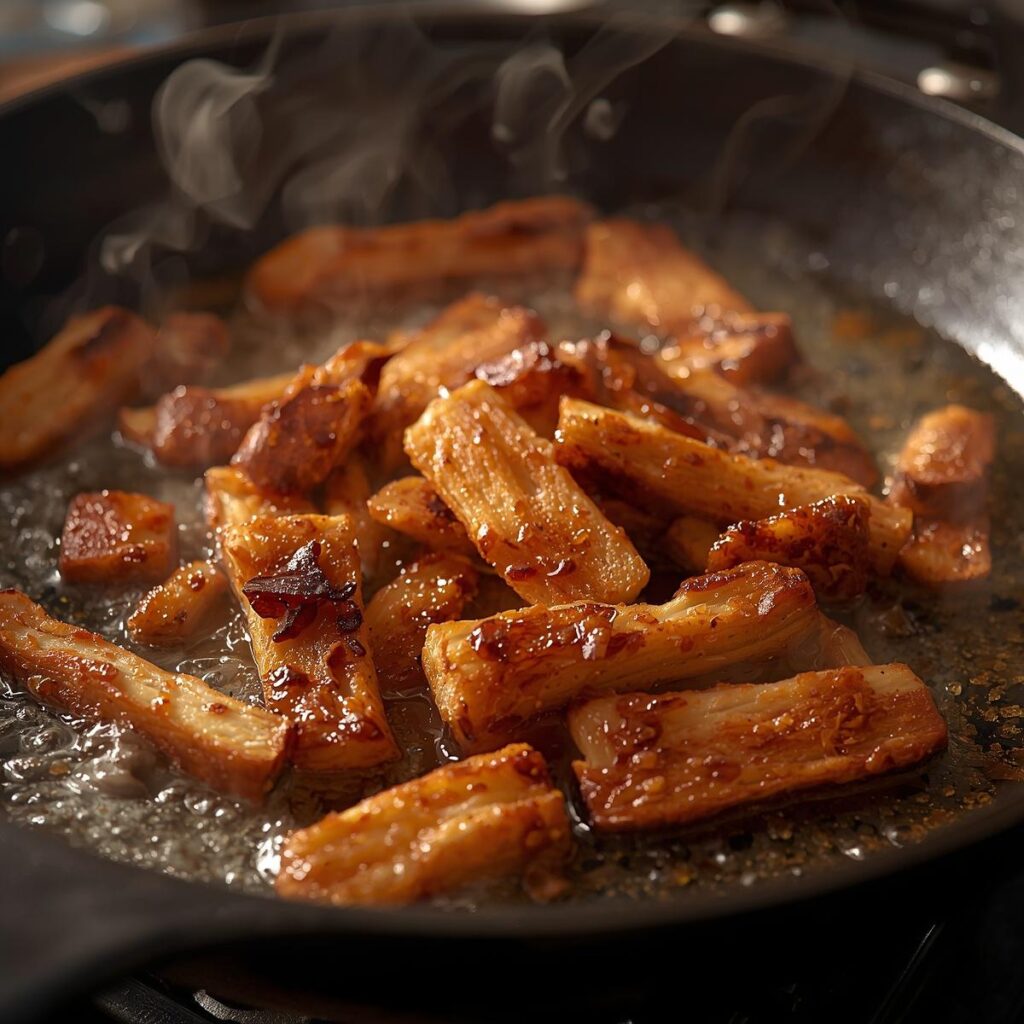
1. Pan‑Searing (Best for Steaks & Cutlets)
Pan‑searing gives seitan a crispy, golden crust and a satisfying bite.
- How to do it: Heat a tablespoon of oil in a non‑stick skillet over medium‑high heat. Add sliced seitan (½‑inch thick) and cook for 3–5 minutes per side until browned and heated through.
- Best for: Fajitas, sandwiches, or serving with gravy.
- Pro tip: Brush with a little soy sauce or barbecue sauce before searing for extra flavor.
2. Baking (Best for Roasts & Large Pieces)
Baking yields a firm, slightly chewy texture perfect for roasts or meal prep.
- How to do it: Preheat oven to 375°F (190°C). Wrap seitan in foil or place in a covered baking dish with a little broth. Bake for 30–40 minutes, then uncover and bake for 10 more minutes to dry the surface.
- Best for: Holiday roasts, meal prep slices.
3. Simmering (Essential for Homemade Seitan)
Homemade seitan must be cooked in a liquid before using it in other recipes. Simmering gently hydrates and sets the gluten.
- How to do it: Place seitan dough in a pot of simmering broth (enough to cover). Keep at a low simmer—never a rapid boil, or the seitan will become spongy. Cook for 45–60 minutes, flipping once halfway.
- Best for: Initial cooking of homemade seitan.
- Pro tip: Use a flavorful broth (vegetable broth with soy sauce, garlic, ginger, etc.) to infuse taste.
4. Grilling (Best for Skewers & “Chicken” Strips)
Grilling adds smoky char and a delightful chew.
- How to do it: Brush seitan pieces with oil and marinade. Grill over medium heat for 5–7 minutes per side, until grill marks appear and the pieces are heated through.
- Best for: BBQ skewers, burgers, or summer dishes.
5. Air‑Frying (Quick & Crispy)
Air‑frying yields a crispy exterior with minimal oil.
- How to do it: Toss seitan pieces with a little oil and spices. Air‑fry at 375°F (190°C) for 8–12 minutes, shaking halfway.
- Best for: Quick snacks, crispy “chicken” nuggets, or adding to salads.
Flavoring Seitan: Seasonings, Marinades & Sauces
Seitan’s neutral flavor makes it a canvas for endless cuisines. Here are some winning flavor combos:
| Cuisine | Seasonings / Marinade |
|---|---|
| Asian | Soy sauce, ginger, garlic, sesame oil, rice vinegar |
| Italian | Basil, oregano, sun‑dried tomatoes, balsamic glaze |
| Mexican | Cumin, chili powder, lime juice, chipotle |
| BBQ | Smoked paprika, brown sugar, liquid smoke, tomato paste |
| Indian | Garam masala, turmeric, cumin, coconut milk |
Marinating tip: Slice or shred seitan before marinating to allow flavors to penetrate. Let sit for at least 30 minutes (or overnight) for best results.
Common Seitan Problems & How to Fix Them
| Problem | Cause | Solution |
|---|---|---|
| Too spongy / rubbery | Boiling instead of simmering, or over‑kneading. | Gently simmer; knead only until elastic (2–3 minutes). |
| Falls apart | Not enough kneading; gluten didn’t develop. | Knead a bit more, or wrap tightly in cheesecloth during cooking. |
| Bland | Under‑seasoned broth or dough. | Add aromatics to cooking liquid; season dough generously. |
| Too dense | Over‑kneaded or cooked at too high heat. | Knead gently; cook at a low simmer. |
Recipes to Get You Started
Quick Seitan Stir‑Fry
- Time: 20 minutes
- Serves: 2
Ingredients:
- 8 oz seitan, sliced thin
- 1 tbsp oil
- 1 bell pepper, sliced
- 1 cup broccoli florets
- 3 tbsp soy sauce
- 1 tbsp hoisin sauce
- 1 tsp sesame oil
Instructions:
- Heat oil in a wok or large skillet over high heat. Add seitan and cook until lightly browned.
- Add vegetables and stir‑fry for 3–4 minutes.
- Stir in soy sauce, hoisin, and sesame oil. Cook 1 minute more. Serve over rice.
Crispy BBQ Seitan Sandwich
- Time: 10 minutes
- Serves: 2
Ingredients:
- 8 oz seitan, sliced into ½‑inch strips
- ½ cup BBQ sauce
- 1 tbsp oil
- 2 buns
- Coleslaw or pickles for topping
Instructions:
- Toss seitan strips with BBQ sauce.
- Heat oil in a skillet over medium‑high. Cook seitan until edges are crispy, about 5 minutes.
- Pile onto buns and top with coleslaw.
Is seitan healthy?
Yes, seitan is an excellent source of lean protein, iron, and selenium, with minimal fat and carbs. However, it’s highly processed (if store‑bought) and may contain added sodium. Homemade seitan gives you control over ingredients.
Is seitan gluten‑free?
No. Seitan is made from wheat gluten and is not safe for people with celiac disease or gluten intolerance.
Table of Contents
Your Seitan Journey Starts Now
Seitan is a true powerhouse in the plant‑based kitchen—protein‑rich, versatile, and incredibly satisfying when prepared correctly. Whether you buy it ready‑made or craft your own from scratch, you now have the knowledge to cook it perfectly every time.
Start with a simple pan‑sear to appreciate its texture, then experiment with marinades and cooking methods. Before long, you’ll be creating vegan “steaks,” hearty sandwiches, and stir‑fries that even meat‑eaters will love.
Have you tried seitan? Share your favorite way to cook it in the comments below! And if you found this guide helpful, pin it for later or share it with a friend who’s curious about plant‑based eating.