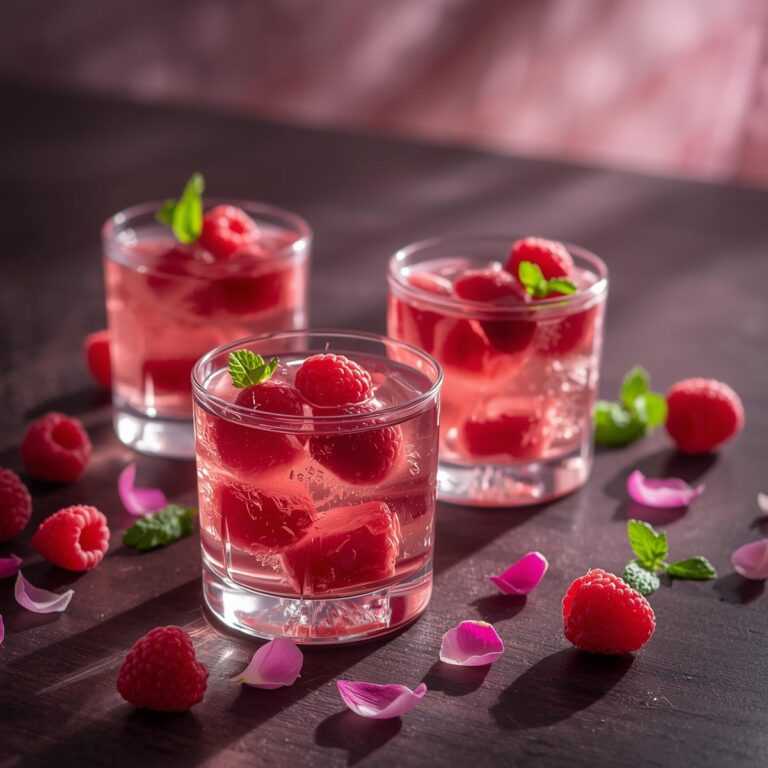
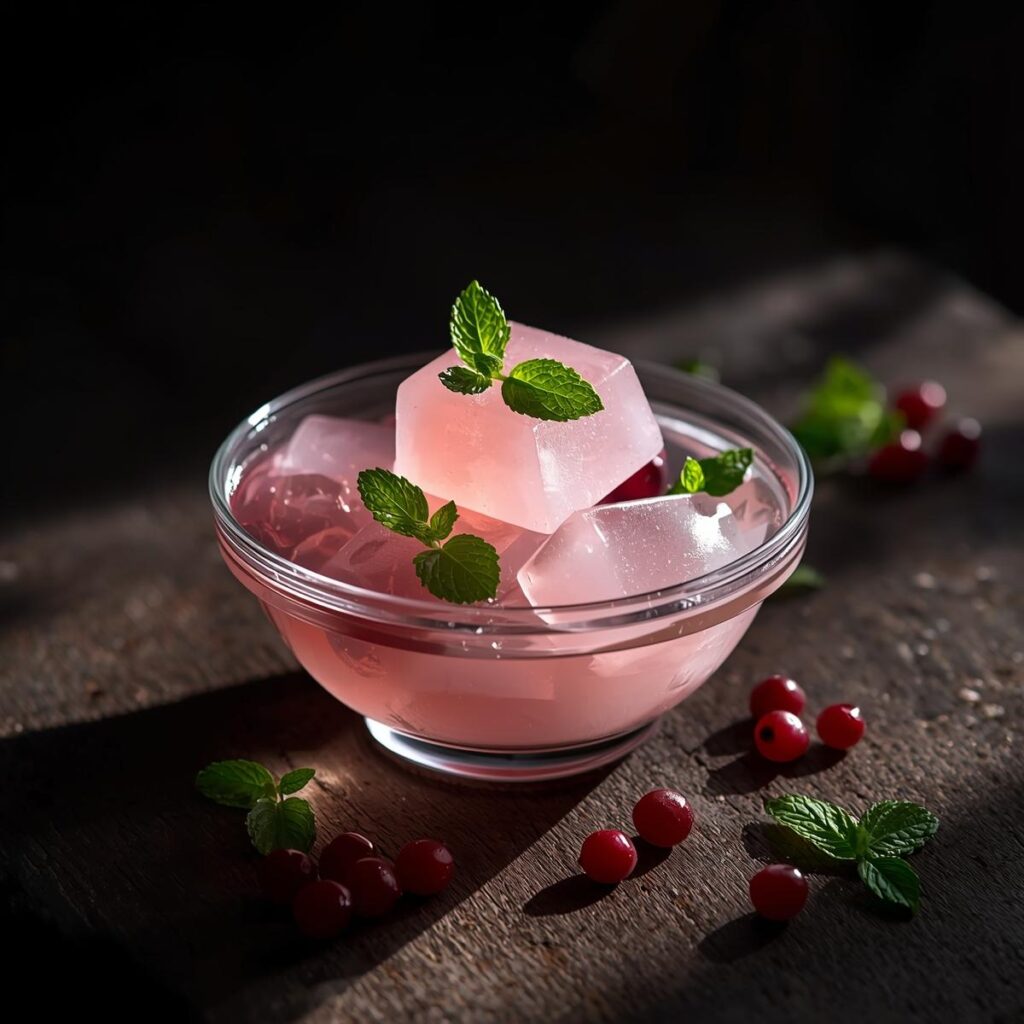
Gelatin Trick for Weight Loss: Recent social media content on platforms such as TikTok and YouTube has prominently featured the practice of dissolving gelatin in hot water, allowing it to solidify into a gel, and subsequently promoting it as a weight loss aid. Some content creators have referred to this method as “natural Ozempic,” while others claim it effectively suppressed their appetites and facilitated weight reduction without significant effort.
This gelatin-based approach to weight loss has gained considerable traction across social media, accumulating millions of views and spawning numerous variations. Users have combined gelatin with ingredients like green tea, lemon juice, apple cider vinegar, or pink Himalayan salt, each variation purportedly offering unique “metabolic benefits.”
This widespread trend prompts an important question: is this practice scientifically supported, or is it merely another ephemeral wellness trend destined to be supplanted by a novel, equally unconventional alternative in the near future?
Extensive research, expert consultations, and scientific analysis have been conducted to evaluate the efficacy of gelatin for weight loss. The findings are complex yet intriguing, necessitating an examination of the trend’s nature, its pervasive presence, and its potential suitability for inclusion in personal wellness routines.
The Gelatin Method for Weight Loss Explained
The basic idea is straightforward: you mix unflavored or sugar-free gelatin with hot water, then either drink it while warm or let it chill in the fridge until it sets into a soft gel. The goal is to consume this about 15 to 30 minutes before a meal .
The claim? It’ll make you feel fuller faster, crush your cravings, and help you eat less overall—leading to weight loss .
People have gotten creative with it, too. Popular variations include:
- Green tea gelatin –
- Lemon or apple cider vinegar gelatin – for supposed “metabolic benefits”
- Pink salt gelatin – with claims about fluid balance
- Coffee gelatin – for coffee lovers
- Fruit-infused gelatin – Prepared with mashed berries or 100% fruit juice.
Standard Preparation Method
For individuals interested in experimenting with this method, the most common preparation is as follows:
What you need:
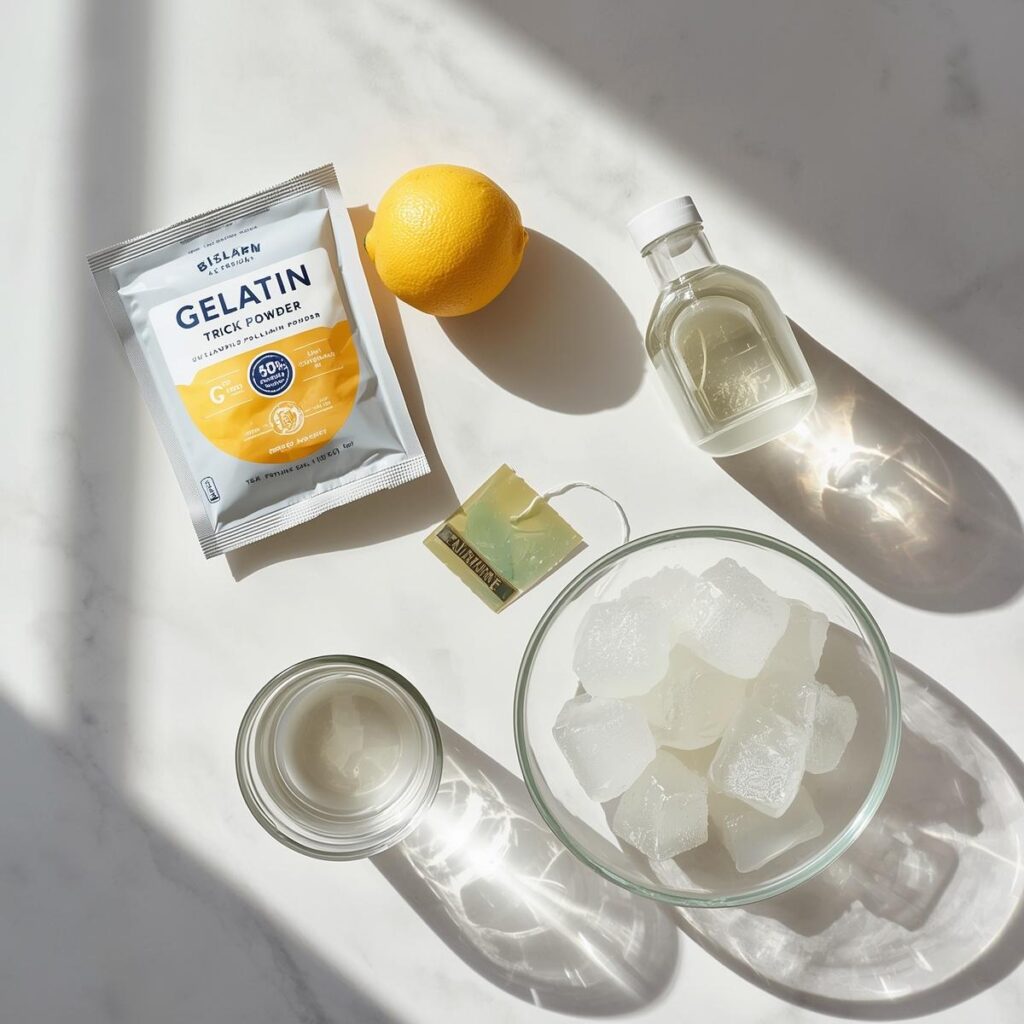
- 1 tablespoon unflavored or sugar-free gelatin (e.g., Knox)
- 1 cup hot water (or tea, coffee)
- Optional additions: lemon juice, apple cider vinegar, or a small amount of salt
Instructions:
- Sprinkle the gelatin over 2-3 tablespoons of cold water and allow it to stand for 5 minutes. This process, known as “blooming,” facilitates smooth dissolution without clumping.
- Add the hot liquid and stir until the gelatin is fully dissolved.
- Incorporate any optional flavorings.
- Consume the mixture while warm or refrigerate for 2-3 hours until it sets into a gel
Important: Ensure complete dissolution of the gelatin prior to consumption to avoid potential discomfort from undissolved clumps in the throat.
Reasons for the Popularity of the Gelatin Trend
The widespread adoption of the gelatin method can be attributed to its alignment with several significant wellness trends:
Perceived Quick Fix:
Influencer content often promises rapid and substantial weight loss, such as “10 pounds in a week” or “natural Ozempic.” The inherent simplicity and visual appeal of the preparation make it easily shareable. In contrast to the effort required for establishing sustainable healthy eating habits, simple solutions that promise significant outcomes are naturally attractive.
Affordability and Accessibility:
Packets of gelatin are widely available and cost-effective, typically costing less than one dollar. This affordability contrasts sharply with the expense of specialized collagen supplements or prescription weight loss medications, contributing to its appeal.
Association with the Collagen Trend:
Gelatin and collagen are derived from the same source: animal connective tissue. Given the extensive marketing of collagen for benefits related to skin, gut health, and weight management, gelatin benefits from a similar “wellness halo.” Furthermore, it aligns with current interest in high-protein diets.
Connection to the “Natural Ozempic” Discourse:
The significant public attention on GLP-1 medications such as Ozempic and Wegovy has spurred a search for natural and affordable alternatives. The gelatin method has been presented as a do-it-yourself equivalent to these appetite-suppressing medications.
Gelatin versus Collagen: A Clarification
As the gelatin method is frequently marketed as a cost-effective alternative to collagen, it is beneficial to understand the distinctions between the two.
| Aspect | Gelatin | Collagen Peptides |
|---|---|---|
| Source | Animal connective tissue | Animal connective tissue |
| Processing | Cooked collagen | Further broken down into smaller fragments |
| Solubility | Dissolves in hot water, gels when cooled | Dissolves in cold water, stays liquid |
| Amino acids | Glycine, proline, hydroxyproline | Same amino acid profile |
| Cost per 10g | ~$0.10 | ~$0.80–$1.20 |
| Common uses | Cooking, gummies, thickening | Coffee, smoothies, supplements |
Both come from the same source—the connective tissues, bones, and skin of animals. The main difference is how they’re processed:
- Collagen peptides are broken down into tiny fragments that dissolve easily in cold liquids and absorb quickly.
- Gelatin is basically cooked collagen. When you heat it, the protein strands unravel. When it cools, it forms that signature jiggly gel texture .
Because they come from the same source, their amino acid profiles are nearly identical. The main practical difference? Collagen dissolves in cold water and stays liquid. Gelatin needs hot water and will solidify when it cools .
And the price difference is dramatic—gelatin is about 10-12 times cheaper than collagen peptides. That’s why so many creators position it as the “dupe” .
Does the Gelatin Trick Actually Work for Weight Loss?
This is the million-dollar question. Let’s look at what the science actually says.
The Short-Term Fullness Claims
Verdict: There’s some evidence gelatin might help with short-term fullness.
In one study, participants who ate a gelatin-based breakfast reported feeling fuller afterward and ate about 20% fewer calories at lunch compared to those who had breakfasts made with whey or soy protein .
Another 2008 study found that consuming gelatin led to higher levels of GLP-1 and insulin—two hormones that help regulate appetite and satisfaction. GLP-1 is the same hormone targeted by medications like Ozempic, which is why the “natural Ozempic” comparison emerged .
The study gave 20 grams of gelatin to both obese and lean participants. Results showed that GLP-1 plasma levels were significantly elevated at 60 minutes, peaking at 120 minutes, followed by a rise in insulin levels .
So there is a plausible biological reason why you might feel a bit more satisfied after eating gelatin. It may briefly trigger appetite-regulating signals .
The Long-Term Weight Loss Claims
Verdict: No evidence that gelatin leads to meaningful, lasting weight loss.
Here’s where things get real. When researchers tested gelatin over several months, those early appetite benefits didn’t translate into lasting weight loss.
In a four-month clinical trial, participants followed high-protein diets—some with gelatin, others with milk-based proteins like casein. The results were nearly identical. There was no extra fat loss or metabolism boost in the gelatin group .
The study concluded that while gelatin showed stronger hunger suppression in the short term, it did not improve body weight maintenance or related variables after weight loss compared to other protein sources .
As Kayla Reynolds from Noom explains: “Replacing a high-calorie snack with a gelatin snack can help create a calorie deficit by reducing your appetite and calorie intake. But there’s no evidence that this will lead to meaningful or lasting weight loss” .
The bottom line? Increasing protein can support fullness and help maintain muscle, but lasting weight loss comes from creating a sustainable calorie deficit and building consistent, healthy habits—not from one magic ingredient .
Why the Gelatin Trick Won’t Replace Real Weight Loss Strategies
It’s Not Enough Protein
When you dissolve a full packet of unflavored gelatin (about 7 grams) into a cup of water, you end up with roughly 6 grams of protein and 23 calories . That might be enough protein to take the edge off hunger, but not enough to meaningfully impact metabolism or muscle mass.
For reference, the recommended amount of protein at a given meal for appetite control is at least 20-30 grams .
The “Natural Ozempic” Comparison Is Misleading
While gelatin does appear to trigger some GLP-1 release , the effect is modest compared to prescription medications. GLP-1 drugs are specifically designed to mimic and amplify this hormone at pharmacological levels. A tablespoon of gelatin simply can’t compete .
It Doesn’t Address Root Causes
Weight gain and difficulty losing weight are complex issues involving hormones, metabolism, behavior, environment, and sometimes medical conditions. A pre-meal gelatin snack doesn’t address emotional eating, stress, sleep quality, physical activity, or the overall quality of your diet .
How to Try the Gelatin Trick Safely (If You Want To)
If you’re curious about experimenting with the gelatin trick, here’s a simple protocol to test it safely and figure out whether it’s actually helping or just wasting your time .
The Dose and Timing
Use 8-10 grams of plain gelatin (about 1 slightly heaped tablespoon), fully dissolved in hot water. Drink or eat it 20-30 minutes before your target meal .
Start with One Meal Per Day
Pick the meal where you tend to struggle most—often dinner, when you’re exhausted and prone to overeating. Test it there first, not at every meal, so you can compare differences .
Keep Everything Else Normal
Don’t suddenly start “dieting harder” on the days you try gelatin. Eat your usual meals. The whole point is to see if the gelatin itself makes a difference, and you can’t tell if you’re changing multiple things at once .
Track These Four Things (Use a 1-10 Scale)
- How hungry you feel right before the meal
- Cravings for specific foods (like sweets or carbs)
- How much you ate compared to your usual portion
- How hungry you feel 3 hours after eating
Just jot it down in your Notes app or on paper. After a week or two, you’ll have enough data to see if there’s actually a pattern .
When to Stop
- If you find yourself relying on it to skip meals entirely
- If you experience digestive issues like bloating, cramping, or nausea
- If you genuinely hate the texture and are forcing yourself to choke it down (adherence matters—if you hate it, you won’t stick with it)
Who Should Skip This Trend
Talk to a doctor first if you have:
- Swallowing difficulties (dysphagia) – undissolved gelatin can be a choking risk
- Phenylketonuria (PKU) using aspartame-sweetened gelatin packets
- Kidney disease requiring protein restriction
- Religious, ethical, or dietary reasons for avoiding animal products
Better Alternatives to the Gelatin Trick
If the idea of feeling fuller before meals appeals to you but gelatin sounds, well, meh, there are other options with more research behind them.
Plain Water (12-17 oz)
Boring? Yes. Effective? Sometimes. Drinking water about 20-30 minutes before a meal has been shown to reduce calorie intake in some studies. It’s free, has zero side effects, and doesn’t involve dissolving weird powders .
Broth-Based Soup or a Big Salad
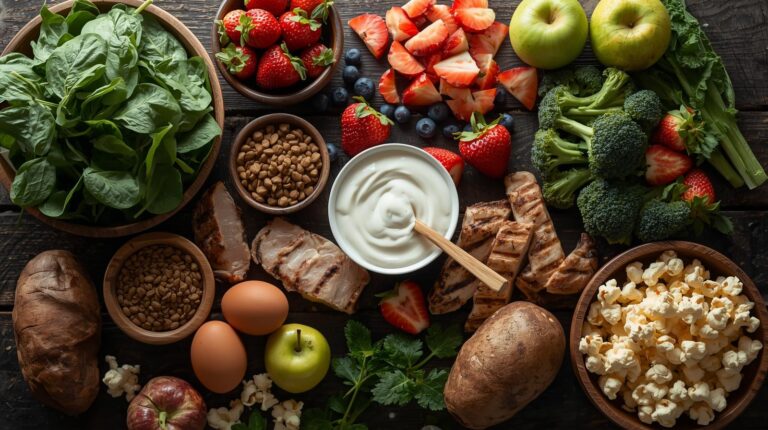
This is the “volumetrics” approach—eating low-calorie, high-volume foods before your main course. A cup of vegetable broth or a big leafy salad with light dressing can take up space in your stomach and genuinely reduce how much you eat afterward. Plus, you’re getting actual nutrients and fiber .
Protein Preload (Greek Yogurt or Whey)
If you want the protein benefit without the weird texture, a small serving of Greek yogurt or a protein shake 15-20 minutes before a meal often provides stronger satiety than gelatin. Whey protein has solid research backing its appetite-suppressing effects—and it’s way easier to incorporate .
Viscous Fiber Supplements (Psyllium or Glucomannan)
These fiber supplements absorb water and expand in your stomach, which can help you feel fuller. They’re often more effective than gelatin for satiety. Important safety note: Always take fiber supplements with plenty of water (at least 8 ounces), and don’t take them right before bed .
| Aspect | Gelatin | Collagen Peptides |
|---|---|---|
| Source | Animal connective tissue | Animal connective tissue |
| Processing | Cooked collagen | Further broken down into smaller fragments |
| Solubility | Dissolves in hot water, gels when cooled | Dissolves in cold water, stays liquid |
| Amino acids | Glycine, proline, hydroxyproline | Same amino acid profile |
| Cost per 10g | ~$0.10 | ~$0.80–$1.20 |
| Common uses | Cooking, gummies, thickening | Coffee, smoothies, supplements |
Both come from the same source—the connective tissues, bones, and skin of animals. The main difference is how they’re processed:
- Collagen peptides are broken down into tiny fragments that dissolve easily in cold liquids and absorb quickly.
- Gelatin is basically cooked collagen. When you heat it, the protein strands unravel. When it cools, it forms that signature jiggly gel texture .
Because they come from the same source, their amino acid profiles are nearly identical. The main practical difference? Collagen dissolves in cold water and stays liquid. Gelatin needs hot water and will solidify when it cools .
And the price difference is dramatic—gelatin is about 10-12 times cheaper than collagen peptides. That’s why so many creators position it as the “dupe” .
Does the Gelatin Trick Actually Work for Weight Loss?
This is the million-dollar question. Let’s look at what the science actually says.
The Short-Term Fullness Claims
Verdict: There’s some evidence gelatin might help with short-term fullness.
In one study, participants who ate a gelatin-based breakfast reported feeling fuller afterward and ate about 20% fewer calories at lunch compared to those who had breakfasts made with whey or soy protein .
Another 2008 study found that consuming gelatin led to higher levels of GLP-1 and insulin—two hormones that help regulate appetite and satisfaction. GLP-1 is the same hormone targeted by medications like Ozempic, which is why the “natural Ozempic” comparison emerged .
The study gave 20 grams of gelatin to both obese and lean participants. Results showed that GLP-1 plasma levels were significantly elevated at 60 minutes, peaking at 120 minutes, followed by a rise in insulin levels .
So there is a plausible biological reason why you might feel a bit more satisfied after eating gelatin. It may briefly trigger appetite-regulating signals .
The Long-Term Weight Loss Claims
Verdict: No evidence that gelatin leads to meaningful, lasting weight loss.
Here’s where things get real. When researchers tested gelatin over several months, those early appetite benefits didn’t translate into lasting weight loss.
In a four-month clinical trial, participants followed high-protein diets—some with gelatin, others with milk-based proteins like casein. The results were nearly identical. There was no extra fat loss or metabolism boost in the gelatin group .
The study concluded that while gelatin showed stronger hunger suppression in the short term, it did not improve body weight maintenance or related variables after weight loss compared to other protein sources .
As Kayla Reynolds from Noom explains: “Replacing a high-calorie snack with a gelatin snack can help create a calorie deficit by reducing your appetite and calorie intake. But there’s no evidence that this will lead to meaningful or lasting weight loss” .
The bottom line? Increasing protein can support fullness and help maintain muscle, but lasting weight loss comes from creating a sustainable calorie deficit and building consistent, healthy habits—not from one magic ingredient .
Why the Gelatin Trick Won’t Replace Real Weight Loss Strategies
It’s Not Enough Protein
When you dissolve a full packet of unflavored gelatin (about 7 grams) into a cup of water, you end up with roughly 6 grams of protein and 23 calories . That might be enough protein to take the edge off hunger, but not enough to meaningfully impact metabolism or muscle mass.
For reference, the recommended amount of protein at a given meal for appetite control is at least 20-30 grams .
The “Natural Ozempic” Comparison Is Misleading
While gelatin does appear to trigger some GLP-1 release , the effect is modest compared to prescription medications. GLP-1 drugs are specifically designed to mimic and amplify this hormone at pharmacological levels. A tablespoon of gelatin simply can’t compete .
It Doesn’t Address Root Causes
Weight gain and difficulty losing weight are complex issues involving hormones, metabolism, behavior, environment, and sometimes medical conditions. A pre-meal gelatin snack doesn’t address emotional eating, stress, sleep quality, physical activity, or the overall quality of your diet .
How to Try the Gelatin Trick Safely (If You Want To)
If you’re curious about experimenting with the gelatin trick, here’s a simple protocol to test it safely and figure out whether it’s actually helping or just wasting your time .
The Dose and Timing
Use 8-10 grams of plain gelatin (about 1 slightly heaped tablespoon), fully dissolved in hot water. Drink or eat it 20-30 minutes before your target meal .
Start with One Meal Per Day
Pick the meal where you tend to struggle most—often dinner, when you’re exhausted and prone to overeating. Test it there first, not at every meal, so you can compare differences .
Keep Everything Else Normal
Don’t suddenly start “dieting harder” on the days you try gelatin. Eat your usual meals. The whole point is to see if the gelatin itself makes a difference, and you can’t tell if you’re changing multiple things at once .
Track These Four Things (Use a 1-10 Scale)
- How hungry you feel right before the meal
- Cravings for specific foods (like sweets or carbs)
- How much you ate compared to your usual portion
- How hungry you feel 3 hours after eating
Just jot it down in your Notes app or on paper. After a week or two, you’ll have enough data to see if there’s actually a pattern .
When to Stop
- If you find yourself relying on it to skip meals entirely
- If you experience digestive issues like bloating, cramping, or nausea
- If you genuinely hate the texture and are forcing yourself to choke it down (adherence matters—if you hate it, you won’t stick with it)
Who Should Skip This Trend
Talk to a doctor first if you have:
- Swallowing difficulties (dysphagia) – undissolved gelatin can be a choking risk
- Phenylketonuria (PKU) using aspartame-sweetened gelatin packets
- Kidney disease requiring protein restriction
- Religious, ethical, or dietary reasons for avoiding animal products
Better Alternatives to the Gelatin Trick
If the idea of feeling fuller before meals appeals to you but gelatin sounds, well, meh, there are other options with more research behind them.
Plain Water (12-17 oz)
Boring? Yes. Effective? Sometimes. Drinking water about 20-30 minutes before a meal has been shown to reduce calorie intake in some studies. It’s free, has zero side effects, and doesn’t involve dissolving weird powders .
Broth-Based Soup or a Big Salad
This is the “volumetrics” approach—eating low-calorie, high-volume foods before your main course. A cup of vegetable broth or a big leafy salad with light dressing can take up space in your stomach and genuinely reduce how much you eat afterward. Plus, you’re getting actual nutrients and fiber .
Protein Preload (Greek Yogurt or Whey)
If you want the protein benefit without the weird texture, a small serving of Greek yogurt or a protein shake 15-20 minutes before a meal often provides stronger satiety than gelatin. Whey protein has solid research backing its appetite-suppressing effects—and it’s way easier to incorporate .
Viscous Fiber Supplements (Psyllium or Glucomannan)
These fiber supplements absorb water and expand in your stomach, which can help you feel fuller. They’re often more effective than gelatin for satiety. Important safety note: Always take fiber supplements with plenty of water (at least 8 ounces), and don’t take them right before bed .
Is the gelatin trick safe?
For most people, yes. But make sure it’s fully dissolved (undissolved gelatin can be a choking hazard). Watch the additives—sugar-free gelatins often contain artificial sweeteners that can cause bloating for some people. And don’t use it as a meal replacement—gelatin is low in calories and nutrients .
Can I use flavored Jell-O instead of unflavored gelatin?
When is the best time to take gelatin for weight loss?
Most proponents recommend consuming it 15-30 minutes before meals to enhance satiety and help control portions. Some versions suggest taking it before bed to support overnight repair processes