
I remember staring at my plate, wondering if I was doing this whole “healthy eating” thing right. Was I eating too much? Too little? Was this food actually good for weight loss, or was I falling for another myth?
If you’ve ever felt that confusion, you’re not alone. Healthy eating when trying to lose weight can feel overwhelming. There’s so much conflicting advice – low carb versus low fat, keto versus vegan, counting calories versus intuitive eating. It’s enough to make anyone throw up their hands and order takeout.
Here’s what I’ve learned after years of research and personal experimentation: healthy eating doesn’t have to be complicated. In fact, the simpler you keep it, the more likely you are to stick with it long-term.
This guide cuts through the noise and gives you practical, science-backed strategies for healthy eating when trying to lose weight. No extreme restrictions, no magical detox teas, no foods that are completely off-limits. Just real, sustainable approaches that work with your life, not against it.
What Healthy Eating Actually Means for Weight Loss
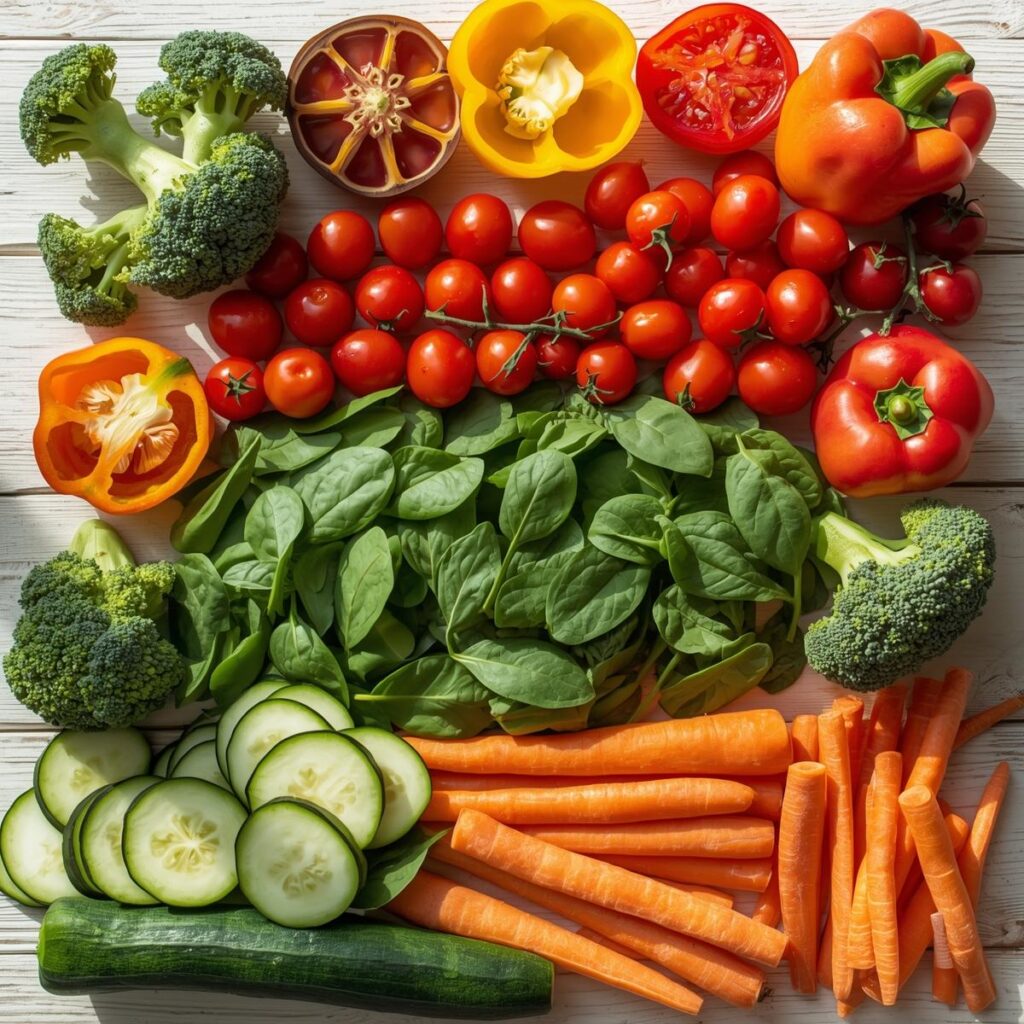
Let’s start with a definition that might surprise you. Healthy eating for weight loss isn’t about perfection – it’s about patterns.
Registered dietitians define healthy eating as a pattern of consuming a variety of nutrient-dense foods in amounts that support your body’s needs while leaving room for flexibility and enjoyment . For weight loss specifically, this means creating a modest calorie deficit while ensuring you’re still getting all the nutrients your body needs to function well .
The Core Principles
| Principle | What It Means |
|---|---|
| Nutrient density | Choosing foods that pack vitamins, minerals, and fiber for the calories they provide |
| Balance | Including protein, carbs, fats, and vegetables at most meals |
| Moderation | Enjoying treats without guilt, but not making them daily staples |
| Sustainability | Choosing approaches you can maintain long-term, not just for a few weeks |
| Individuality | Finding what works for your body, preferences, and lifestyle |
The Foundation: Building a Healthy Plate
One of the simplest ways to practice healthy eating when trying to lose weight is to use the plate method. No counting, no complicated math – just a visual guide.
The Plate Method
| Section | Portion | What to Put There |
|---|---|---|
| Half your plate | 50% | Non-starchy vegetables (broccoli, spinach, peppers, cauliflower, leafy greens) |
| Quarter your plate | 25% | Lean protein (chicken, fish, turkey, tofu, eggs, legumes) |
| Quarter your plate | 25% | Complex carbohydrates (quinoa, brown rice, sweet potato, whole grains, beans) |
| Plus | Small amount | Healthy fats (avocado, olive oil, nuts, seeds) |
This simple framework ensures you’re getting volume from vegetables, satisfaction from protein, energy from carbs, and flavor from healthy fats – all without tracking a single calorie .
Macronutrients: What You Actually Need
Understanding macronutrients – protein, carbohydrates, and fats – takes the guesswork out of healthy eating when trying to lose weight.
Protein: The Weight Loss MVP
Protein is the most important nutrient for weight loss for several reasons:
| Benefit | Why It Matters |
|---|---|
| Satiety | Protein triggers hormones that signal fullness to your brain |
| Thermic effect | Your body burns more calories digesting protein than carbs or fat |
| Muscle preservation | Protein helps you maintain lean muscle while losing fat |
| Blood sugar stability | Protein slows digestion, preventing energy crashes and cravings |
How much to aim for: Most people benefit from 20-30 grams of protein per meal. That’s roughly 3-4 ounces of chicken, fish, or tofu, or a combination of plant proteins .
Best sources:
- Chicken breast (26g protein per 3 oz)
- Fish (22g protein per 3 oz)
- Greek yogurt (15-18g per ¾ cup)
- Lentils (18g per cup cooked)
- Tofu (10g per ½ cup)
- Eggs (6g per large egg)

Carbohydrates: Not the Enemy
Carbohydrates, essential for energy, cognitive function, and hormonal balance, have been subject to mischaracterization within dietary discussions. The efficacy of carbohydrate consumption is contingent upon the selection of appropriate types.
The key is choosing the right kind of carbohydrates.
| Type | Examples | Effect |
|---|---|---|
| Complex carbs | Oats, quinoa, brown rice, sweet potatoes, beans | Slow digestion, steady energy, high fiber |
| Simple/refined carbs | White bread, pasta, sugary cereals, pastries | Quick energy spike, crash, less fiber |
When engaging in healthy eating practices for weight management, prioritizing whole, minimally processed carbohydrate sources is recommended. These sources promote prolonged satiety and provide essential nutrients absent in refined carbohydrates.
Fats: Essential for Health
Dietary fats are integral to hormonal production, nutrient absorption, and the palatability of meals. The objective is not the elimination of fats but the judicious selection of quality types and appropriate portion sizes.
| Type | Examples | Effect |
|---|---|---|
| Unsaturated fats | Avocado, olive oil, nuts, seeds, fatty fish | Heart-healthy, anti-inflammatory |
| Saturated fats | Butter, cheese, red meat | Fine in moderation, limit excess |
| Trans fats | Processed foods, fried items | Avoid when possible |
A moderate intake of healthy fats can significantly enhance meal satisfaction. For instance, a tablespoon of olive oil or a quarter of an avocado can elevate a simple vegetable dish to a more complete meal.
Vegetables: Your Secret Weapon
Vegetables are a cornerstone of a healthy eating approach for weight loss due to their low caloric density, high volume, and nutrient richness.
Why Vegetables Matter
| Reason | Explanation |
|---|---|
| Volume | You can eat a large amount for very few calories, filling your stomach and triggering fullness signals |
| Fiber | Slows digestion, stabilizes blood sugar, feeds healthy gut bacteria |
| Nutrients | Provide vitamins and minerals that support overall health and metabolism |
| Hydration | Many vegetables have high water content, contributing to hydration |
How to add more vegetables:
Strategies for increasing vegetable intake include: incorporating spinach into smoothies, augmenting pasta dishes with vegetables like zucchini, mushrooms, and bell peppers, initiating meals with salads or vegetable soups, maintaining pre-cut vegetables for convenient snacking, and preparing larger batches of roasted vegetables for weekly consumption. An aim of 2-3 cups of vegetables daily, distributed across meals, is advisable.
Hydration: The Overlooked Factor
Hydration is a frequently overlooked but critical component of weight management, as thirst can be mistaken for hunger. Consistent fluid intake is a simple yet effective strategy.
| Benefit | How It Helps |
|---|---|
| Appetite regulation | Drinking water before meals can reduce calorie intake |
| Metabolism | Even mild dehydration can slow metabolic processes |
| Energy | Proper hydration prevents fatigue that leads to poor food choices |
| Digestion | Water helps fiber do its job |
Tips for staying hydrated:
- Tips for maintaining adequate hydration include starting the day with water, carrying a reusable water bottle, flavoring water with natural additions like lemon, cucumber, or mint, drinking water before meals, and recognizing that herbal teas contribute to fluid intake. A recommended daily intake is 6-8 glasses of fluid, with increased consumption advised during periods of physical activity or hot weather.
Meal Timing: Does It Matter?
The impact of meal timing on weight loss is often debated, with scientific consensus indicating that total caloric intake and food quality are more influential than precise meal scheduling. Nevertheless, certain timing-related strategies may offer benefits.
That said, some strategies can help:
What Research Shows
| Approach | Potential Benefit |
|---|---|
| Regular meals | Prevents extreme hunger that leads to overeating |
| Protein at breakfast | May reduce cravings throughout the day |
| Not eating too late | May improve sleep quality, which affects weight regulation |
| Listening to hunger | Eating when hungry, stopping when satisfied |
The optimal meal timing approach is one that aligns with individual schedules and preferences. Some individuals find success with three main meals and no snacks, while others benefit from more frequent, smaller meals. Both patterns can be effective for weight loss.
Common Pitfalls in Healthy Eating Efforts
Despite well-intentioned efforts, individuals may encounter obstacles that hinder their progress.
Mistake 1:Excessive Calorie Restriction
Consuming insufficient calories can be counterproductive, leading to a slowed metabolism, increased cravings, and a propensity for overeating. A moderate daily calorie deficit of 300-500 calories is generally more sustainable and less likely to result in compensatory eating.
Mistake 2: Exclusion of Entire Food Categories
Unless medically indicated or due to allergies, the elimination of carbohydrates, fats, or other major food groups is typically unnecessary and difficult to maintain long-term, as the body requires all macronutrients for optimal function.
Mistake 3: Reliance on Processed “Diet” Products
Products marketed as low-fat or sugar-free, such as certain cookies, candies, and sodas, may not provide lasting satiety and can stimulate further cravings. Whole, unprocessed foods generally offer greater satisfaction.
Mistake 4: Inadequate Protein Intake
Insufficient protein consumption, particularly at breakfast and lunch, can contribute to pronounced cravings later in the day. Distributing protein intake across meals is recommended.
Mistake 5: Consumption of Caloric Beverages
Liquid calories from sources such as soda, juice, specialty coffee drinks, and alcohol can accumulate rapidly without promoting a sense of fullness. Water, unsweetened tea, and black coffee are preferable alternatives.
Mistake 6: Neglect of Hunger Signals
Allowing oneself to experience extreme hunger typically precedes overeating. Responding to genuine hunger, as opposed to boredom or stress, is conducive to maintaining dietary balance.
Mistake 7: Pursuit of Unrealistic Perfection
A single meal or day that deviates from a healthy eating plan does not negate overall progress. Consistent adherence over extended periods is the primary determinant of success.
Strategies for Sustained Healthy Eating
Recommendation 1: Emphasize Addition Over Restriction
Rather than focusing on prohibited foods, prioritize the incorporation of beneficial components. Increasing intake of vegetables, protein, water, and physical activity can naturally displace less nutritious options without inducing feelings of deprivation.
Recommendation 2: Proactive Planning
The evening and weekend periods often present challenges for dietary adherence. Developing a general plan for meal timing and content can mitigate decision fatigue and impulsive food choices.
- Plan your meals for the week
- Grocery shop with a list
- Prep ingredients in advance
- Keep healthy snacks accessible
Recommendation 3: Cultivate a Supportive Environment
Make healthy choices the convenient choices:
- Wash and prepare vegetables upon purchase.
- Pack nutritious snacks for work or outings.
Recommendation 4: Practice Mindful Eating
Slowing down and focusing attention on food can significantly reduce calorie consumption without the perception of restriction.
- Chew food thoroughly.
- Appreciate the flavors and textures of food.
- Conclude eating when comfortably satisfied, not overly full.
Recommendation 5: Personalize the Approach
A universal approach to healthy eating for weight management is not applicable to all individuals. Experimentation with various dietary strategies and attention to personal responses are essential for identifying an effective method.
Recommendation 6: Foster Self-Compassion
One’s internal dialogue significantly influences outcomes. Self-criticism can lead to abandoning efforts, whereas self-compassion promotes continued engagement. If a day involves eating more than planned, acknowledge it, learn from the experience, and proceed. A single day does not define an individual’s health journey.
Example of a Balanced Daily Eating Plan
The following illustrates a balanced dietary approach, estimated at 1,500-1,600 calories, suitable for weight management.
| Meal | Options |
|---|---|
| Breakfast (350 cal) | 2 scrambled eggs with spinach and 1 slice whole grain toast, plus 1 cup berries |
| Morning Snack (150 cal) | Apple with 1 tablespoon almond butter |
| Lunch (400 cal) | Grilled chicken salad with mixed greens, cucumber, tomatoes, bell peppers, 2 tbsp light vinaigrette, and ½ cup quinoa |
| Afternoon Snack (120 cal) | ¾ cup plain Greek yogurt with cinnamon |
| Dinner (450 cal) | Baked salmon (4 oz) with roasted broccoli and ½ cup brown rice |
| Evening (optional, 100 cal) | 1 cup strawberries or small piece of dark chocolate |
This plan serves as a template; individual portions and food choices should be adjusted based on personal preferences, hunger levels, and caloric requirements.
Do I need to count calories to eat healthy?
No. Many people successfully lose weight without ever counting a calorie. The plate method, mindful eating, and focusing on whole foods can create a natural calorie deficit without tracking . However, some people find that counting calories for a few weeks helps them learn appropriate portions. Use whatever approach works for you.
Can I eat carbs and still lose weight?
Absolutely. Complex carbohydrates like oats, quinoa, sweet potatoes, and beans are nutritious and can absolutely be part of weight loss . The key is portion control and choosing whole food sources over refined carbs.